
Arch Pro is a precision-tuned LOG to REC709 LUT system built specifically for the Pocket Cinema Camera 4K, 6K, and 6K Pro. The base set includes a Natural LUT along with Filmic and Vibrant character LUTs—each one uniquely matched to your camera’s sensor and LOG profile. This isn’t one-size-fits-all, it’s one-for-each, engineered for color that just works.
Want more? The Plus and Premium Bundles unlock stylized Film Looks and DaVinci Wide Gamut support for Resolve users.




Whether you’re a filmmaker, YouTuber, or weekend warrior, if you're working with Pocket 4K, 6K, or 6K Pro footage, this is the fastest way to make it shine. Arch Pro enhances highlight rolloff, improves skin tone, and just looks good.
Import Arch Pro LUTs right into your Pocket Cinema Camera to preview the colors live — great for livestreams, fast turnarounds, or video village. Burn it in if you want. Shoot LOG and tweak later if you don’t.
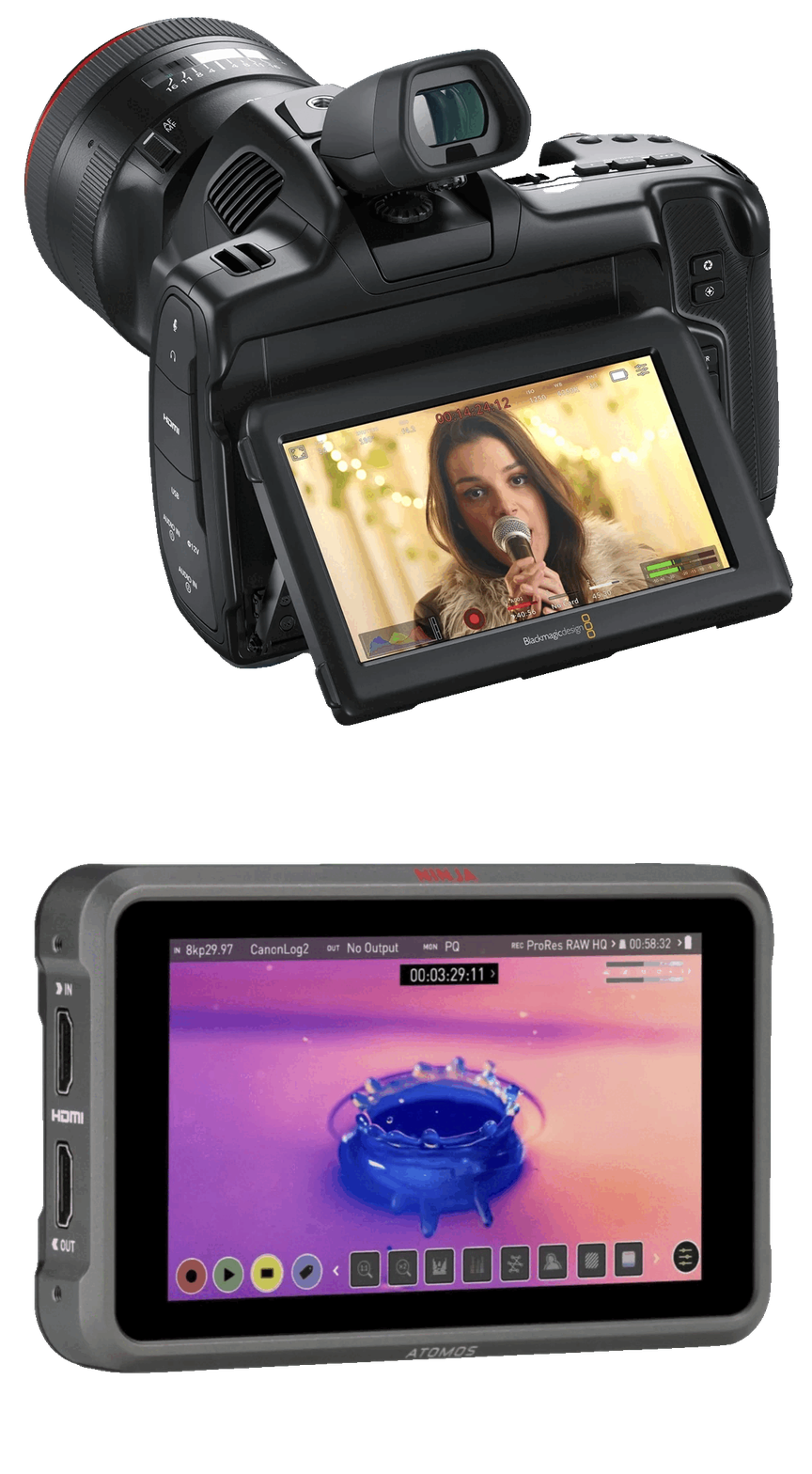

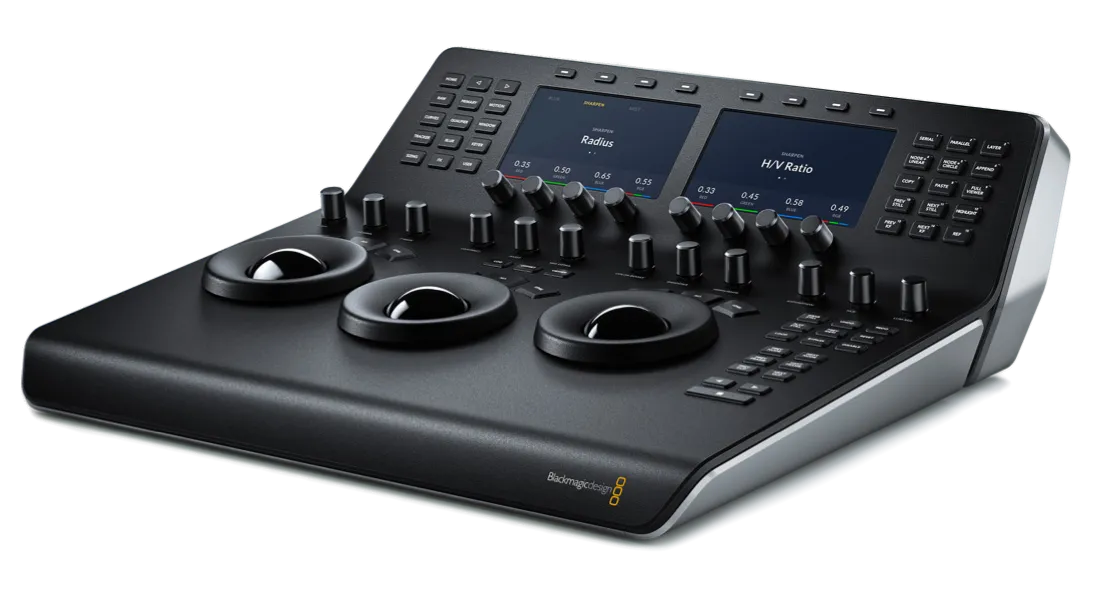
Create a cohesive cinematic look without obsessing over complex node trees. Whether you’re cutting a music video or a doc on a deadline, these LUTs hold their own — and still play nice with secondary grading and effects.

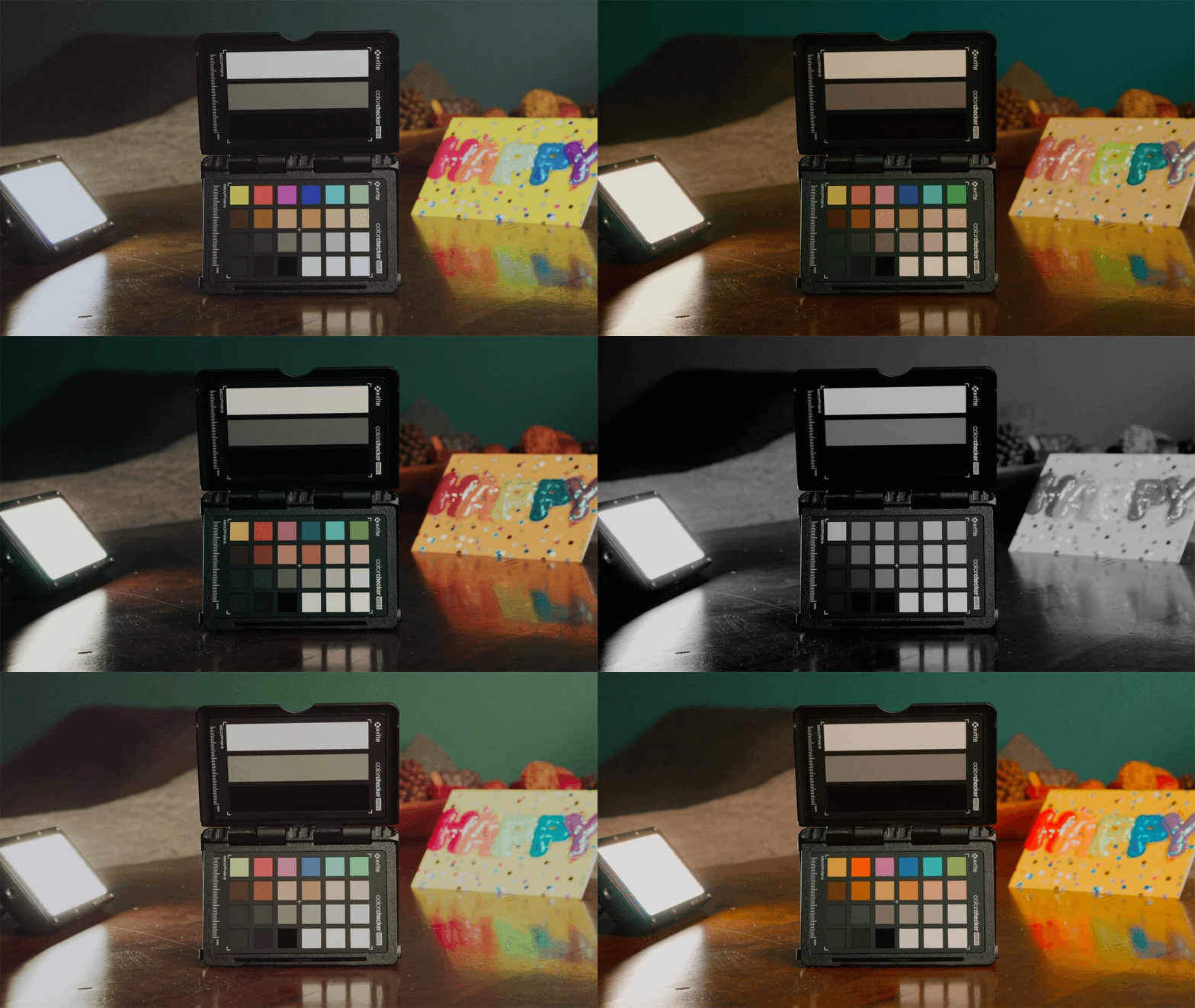
Arch Pro Plus adds 12 pre-built Film Looks that range from elegant monochromes to punchy stylization. Everything from a Black & White so classy it’d make Fred Astaire jump for joy to a Teal & Orange that could coax a single tear down Michael Bay’s cheek.

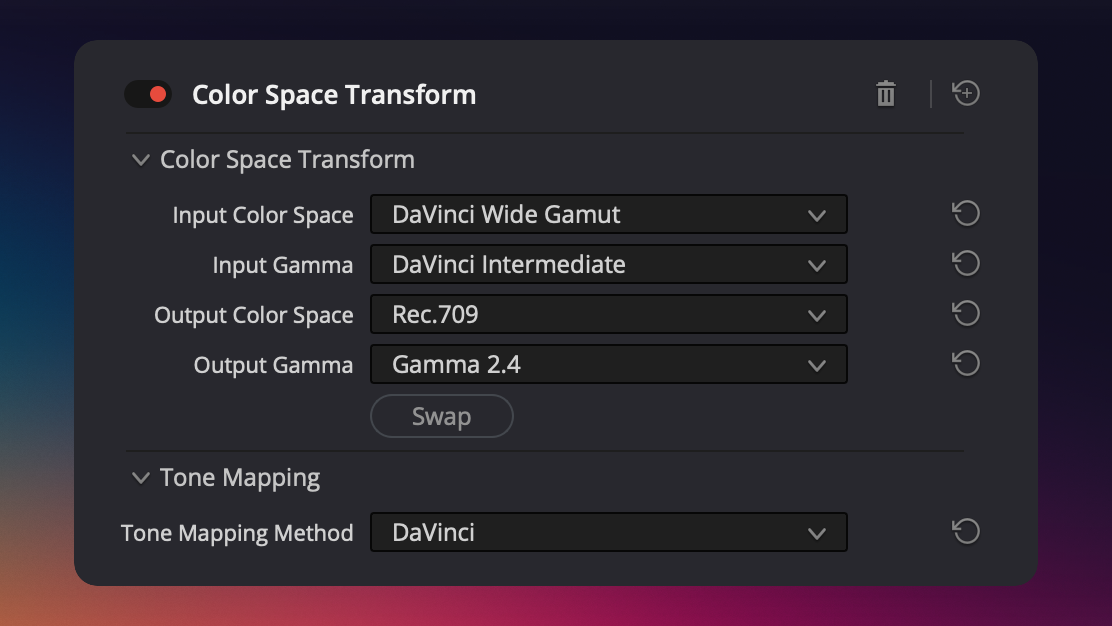
Arch Pro Premium unlocks a secret weapon: DaVinci Wide Gamut support. No Rec709 bakes. No locked-in looks. Just a clean, accurate conversion into DaVinci’s modern color space — built for real post workflows and future-proof grades.

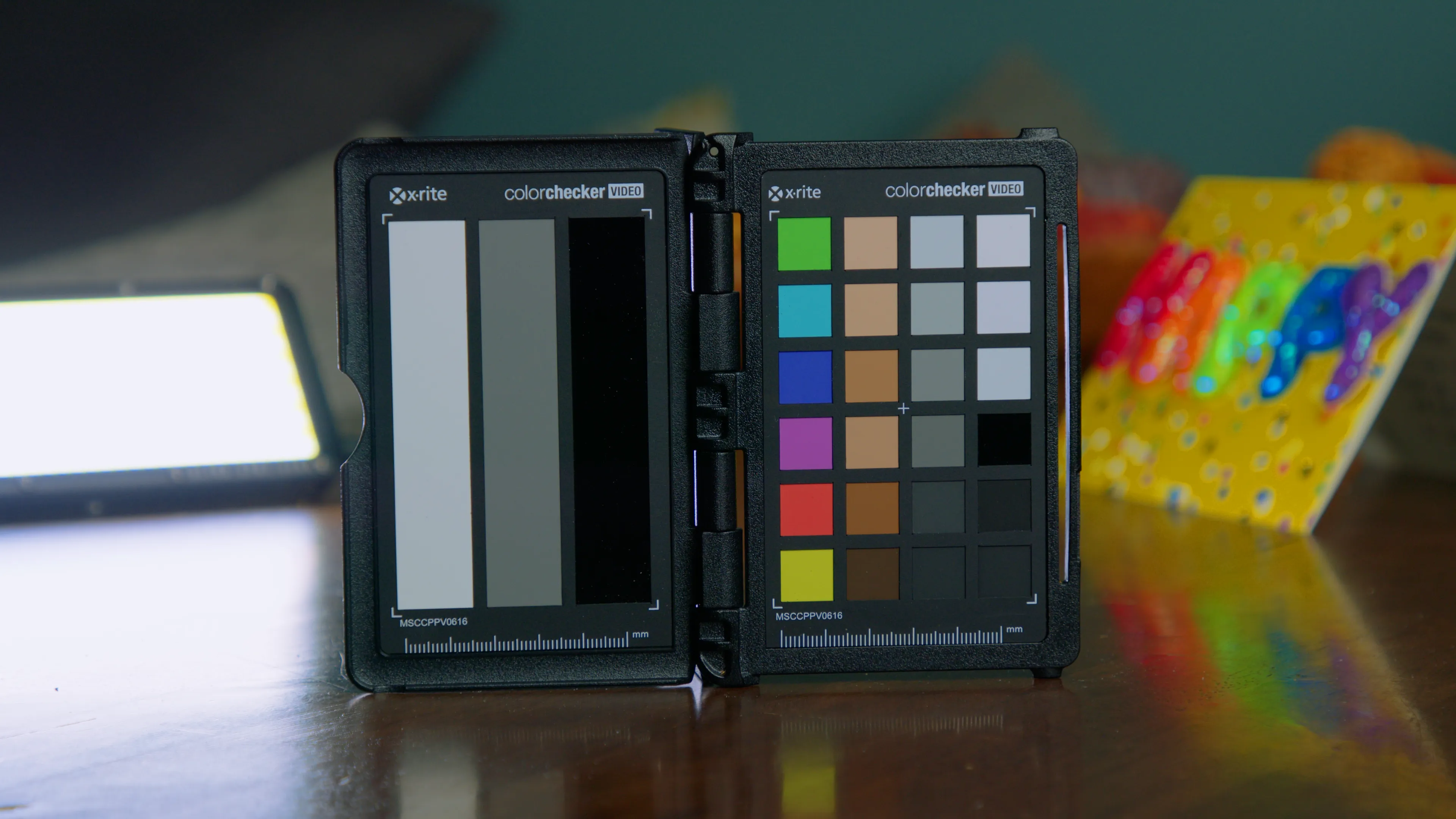
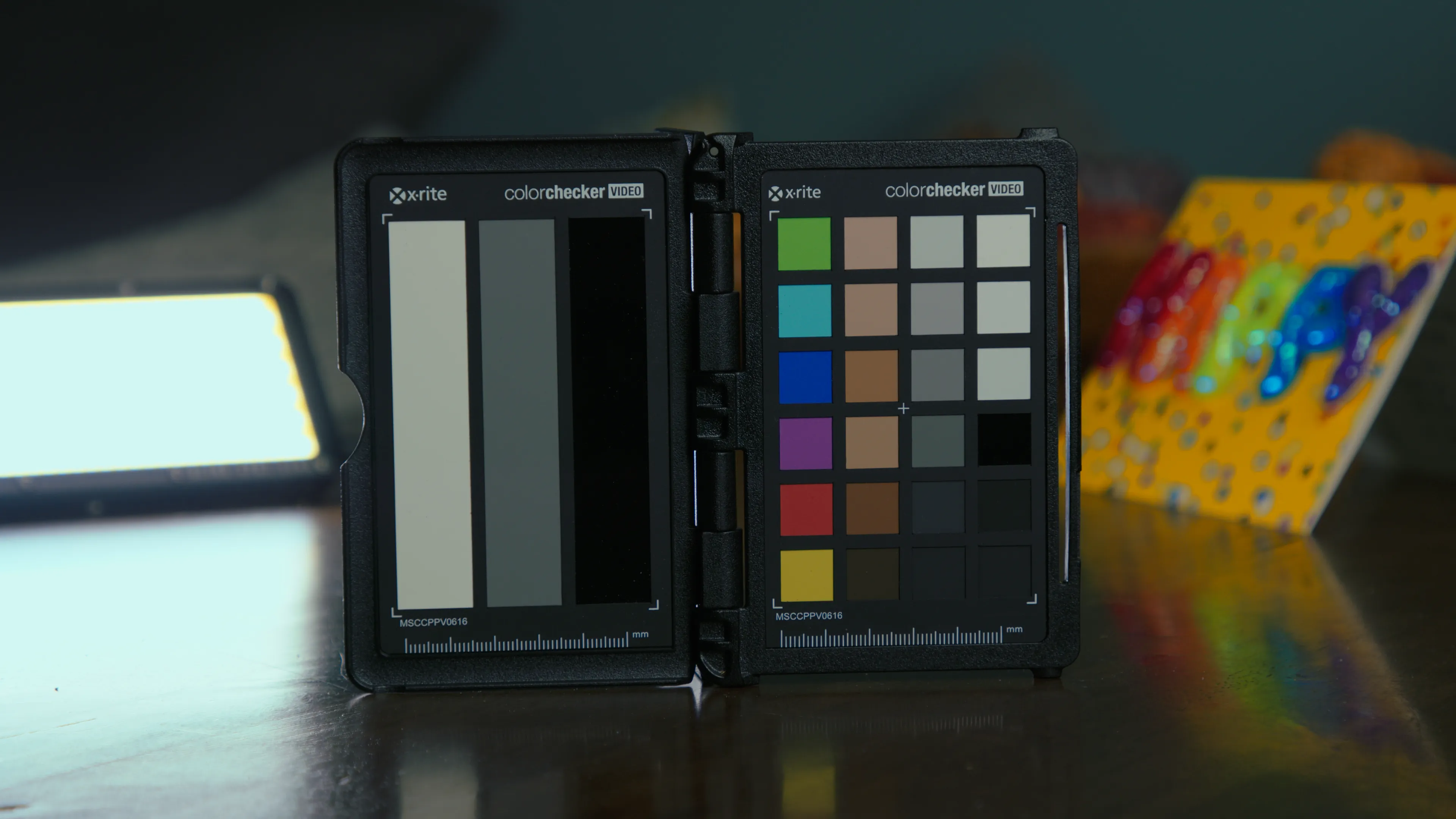
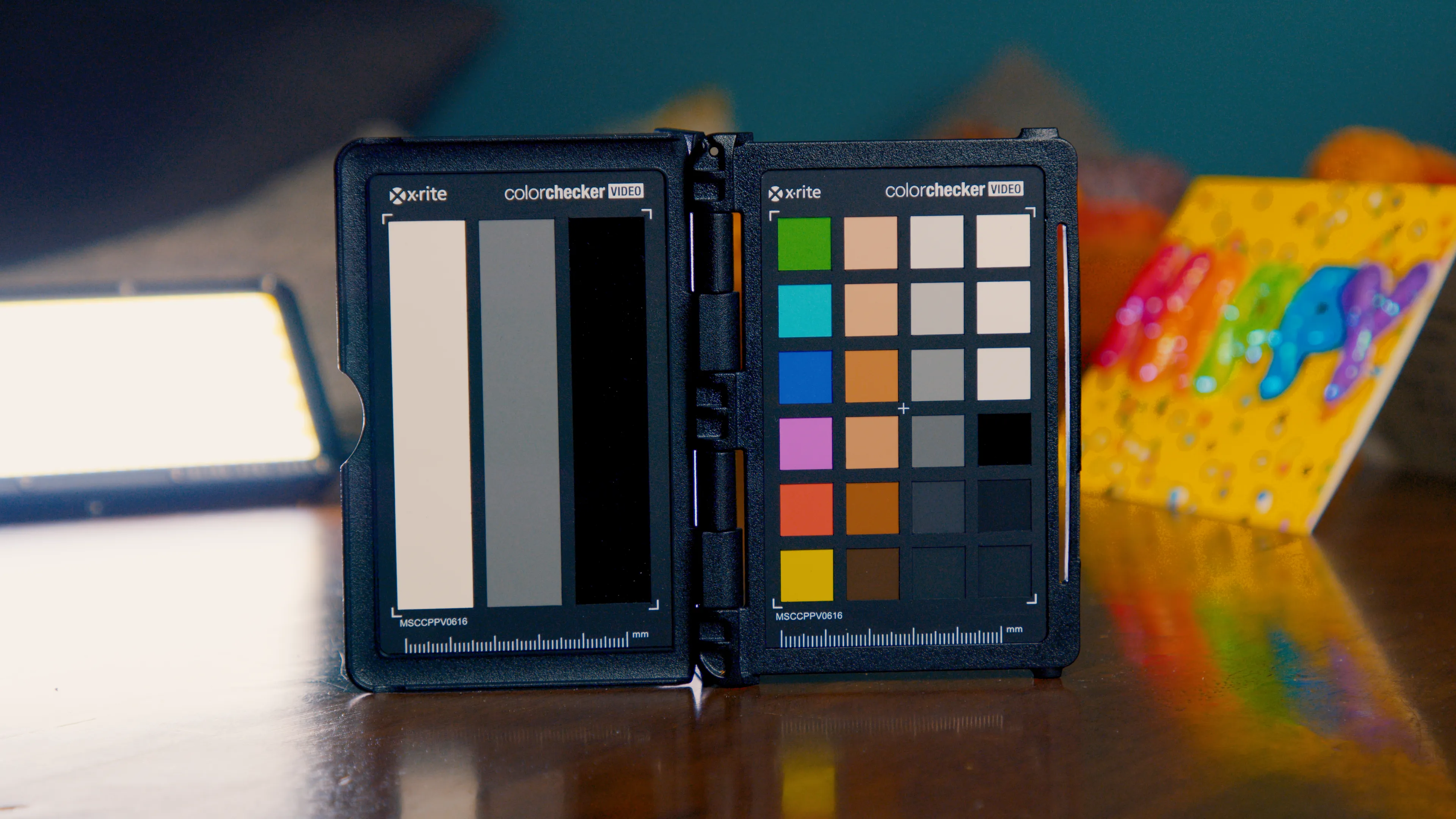
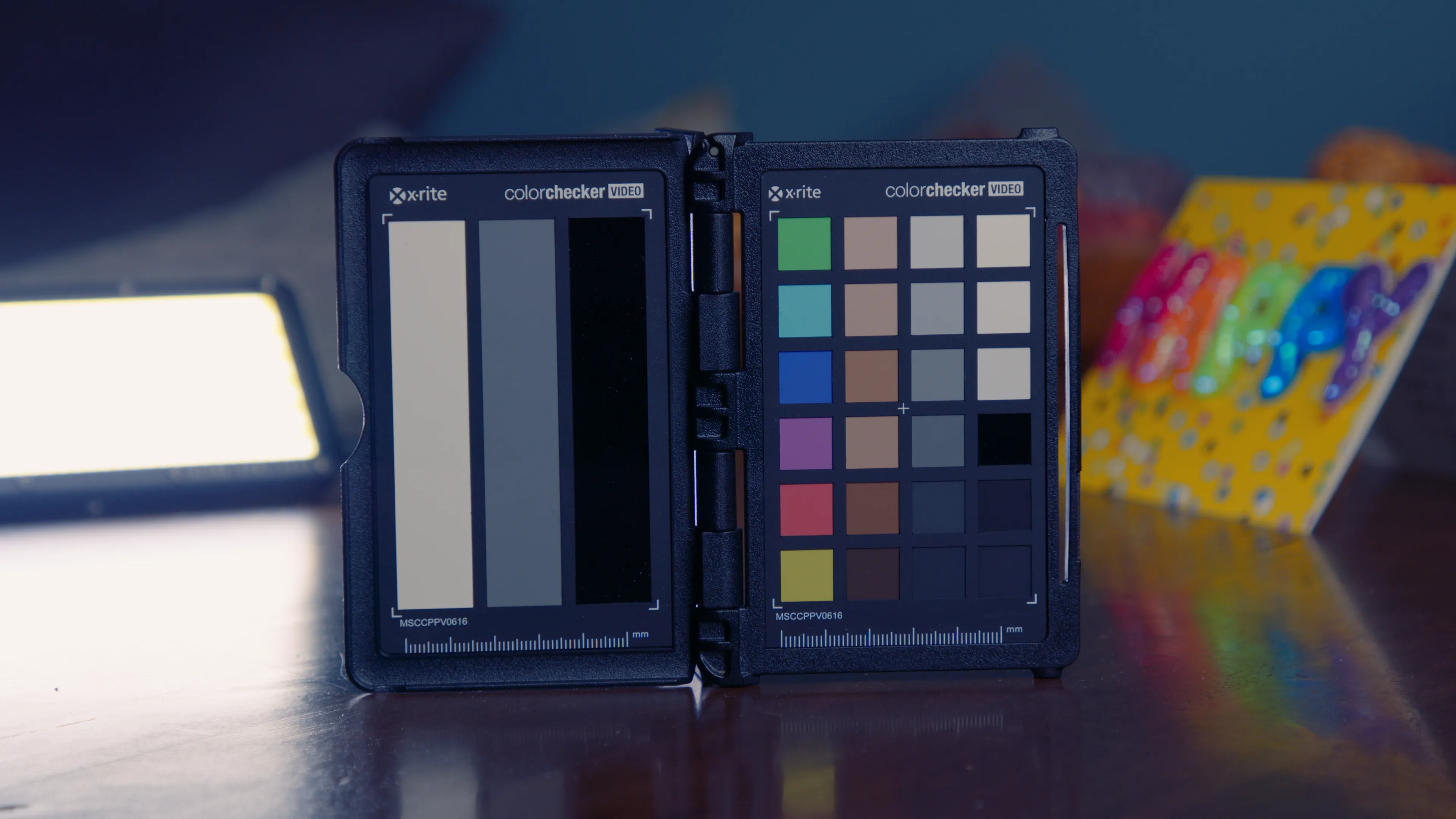
All of these examples were shot in BRAW with Gen 5 color science. On the left: Blackmagic’s built-in Extended Video LUT. On the right: Arch Pro Natural.
This isn't showing a LOG-to-Rec709 miracle like most do, this is comparing what you’d actually get side-by-side. The difference between good enough
and being there.
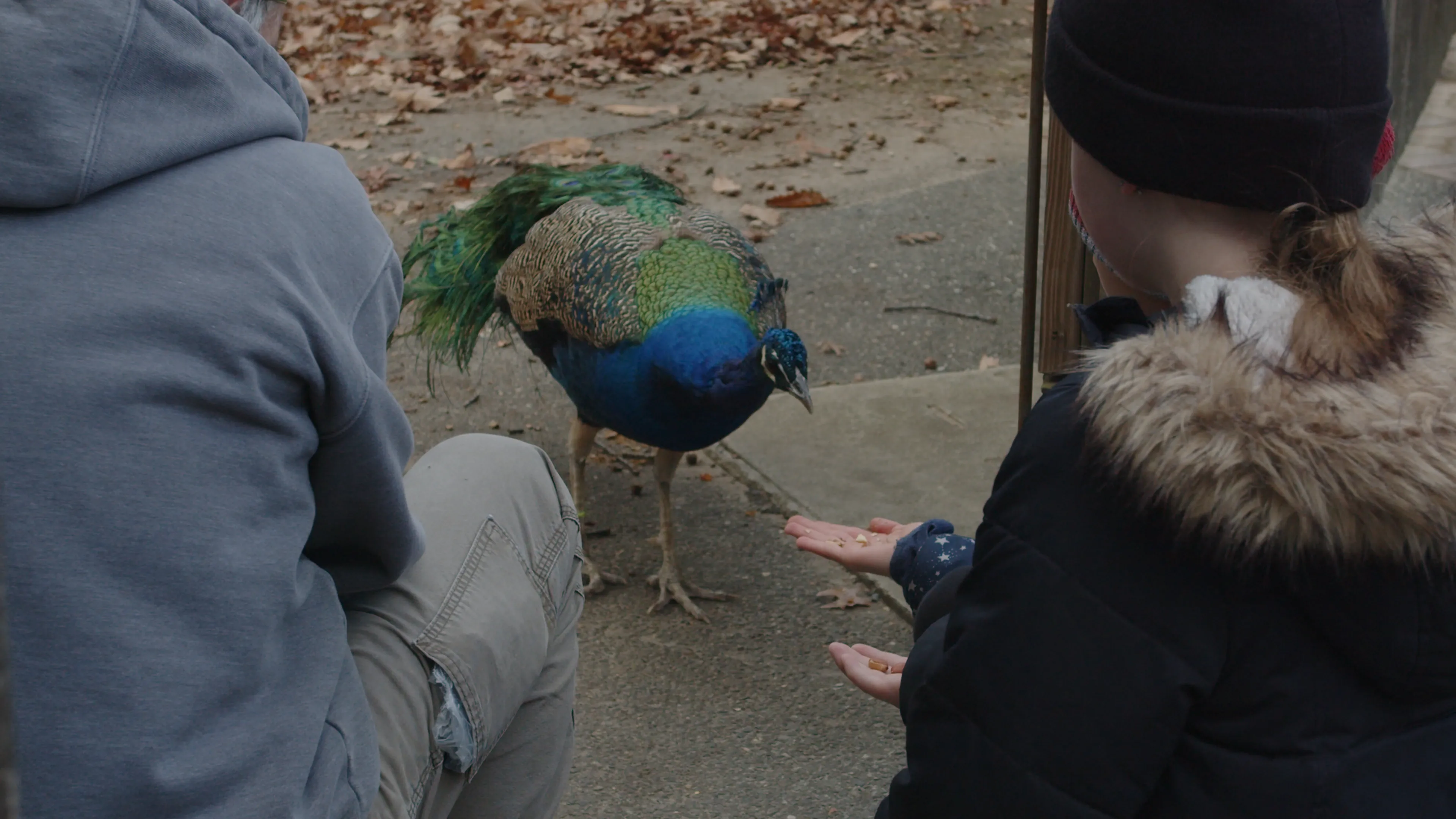
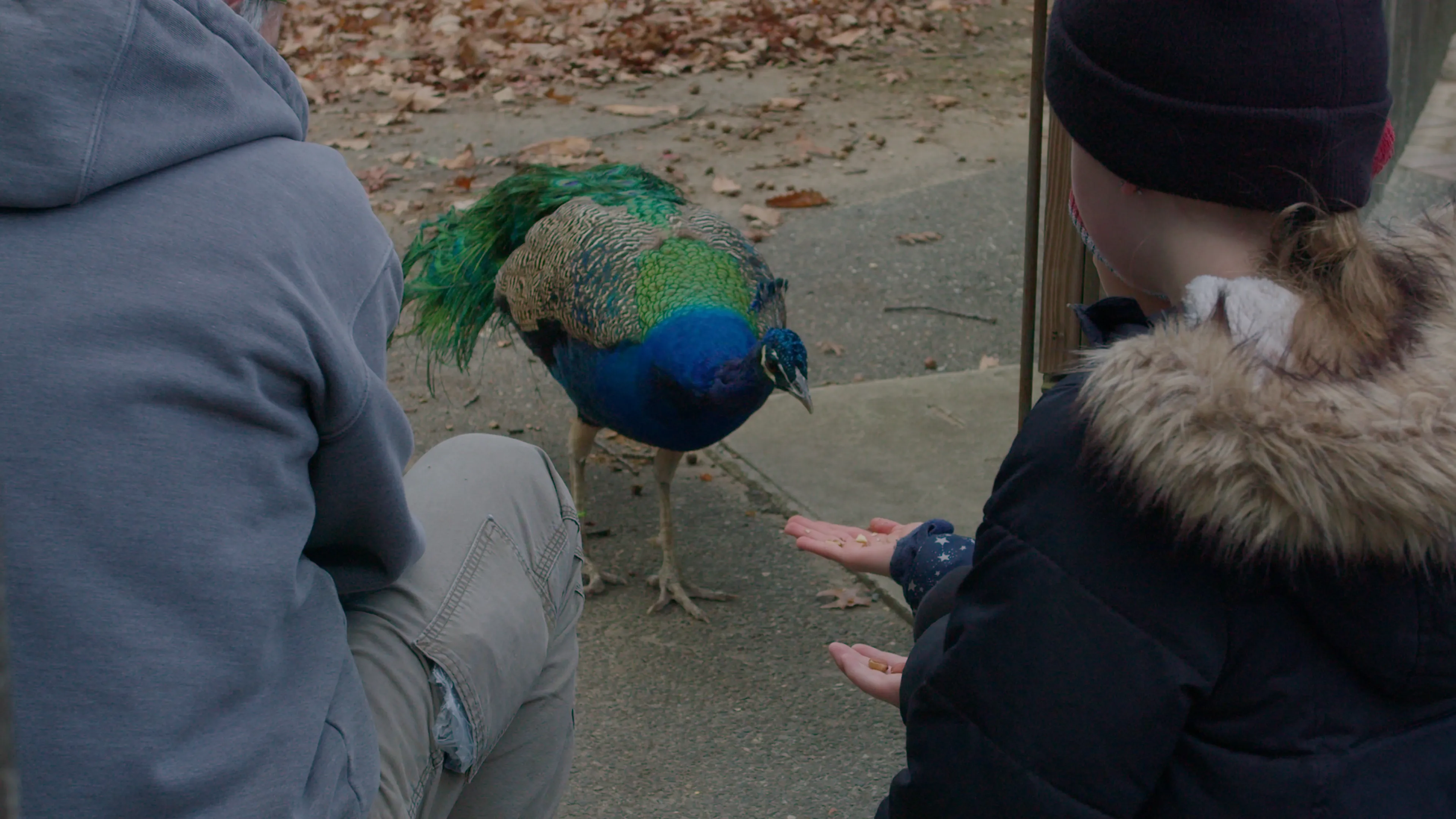
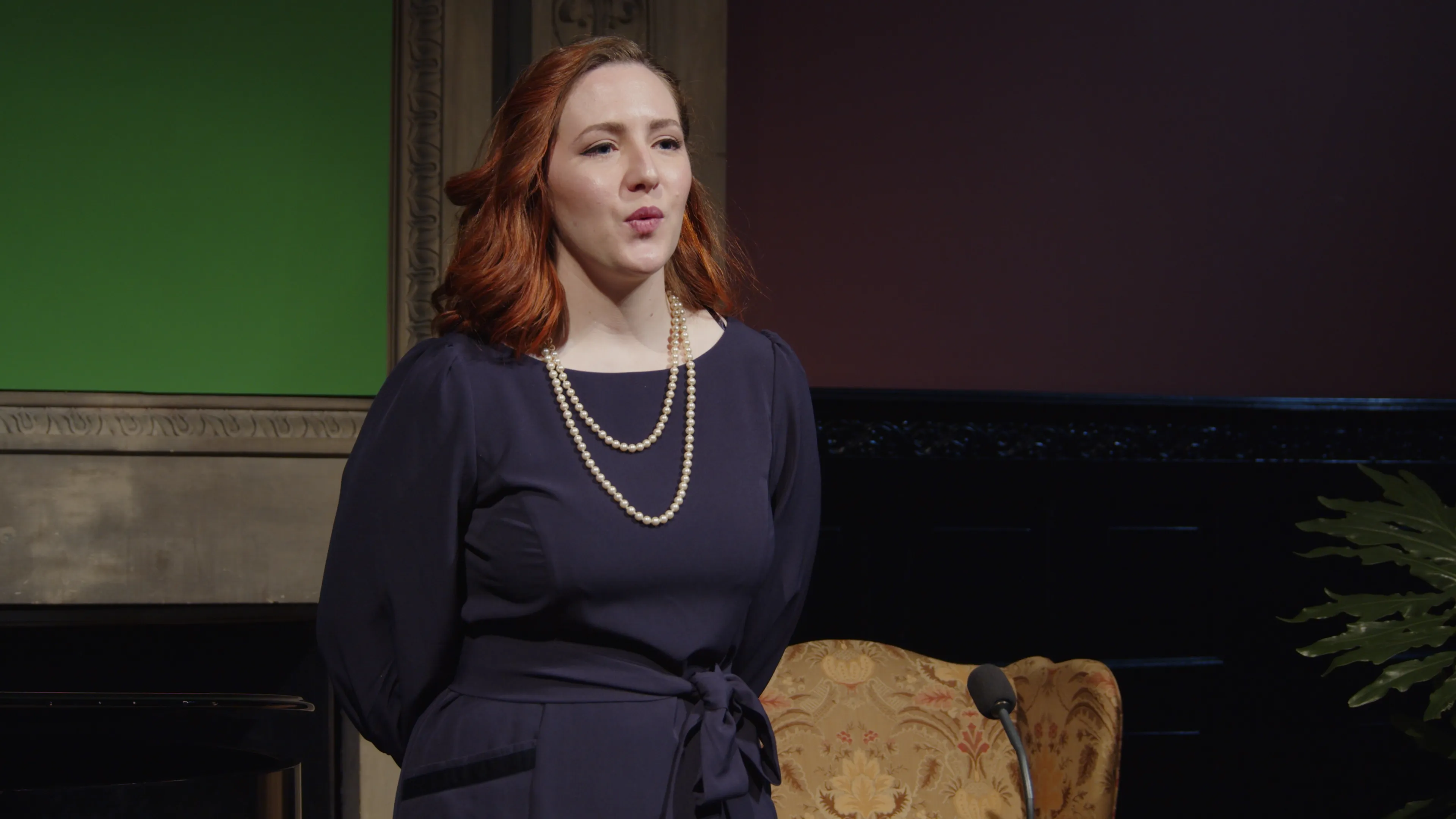
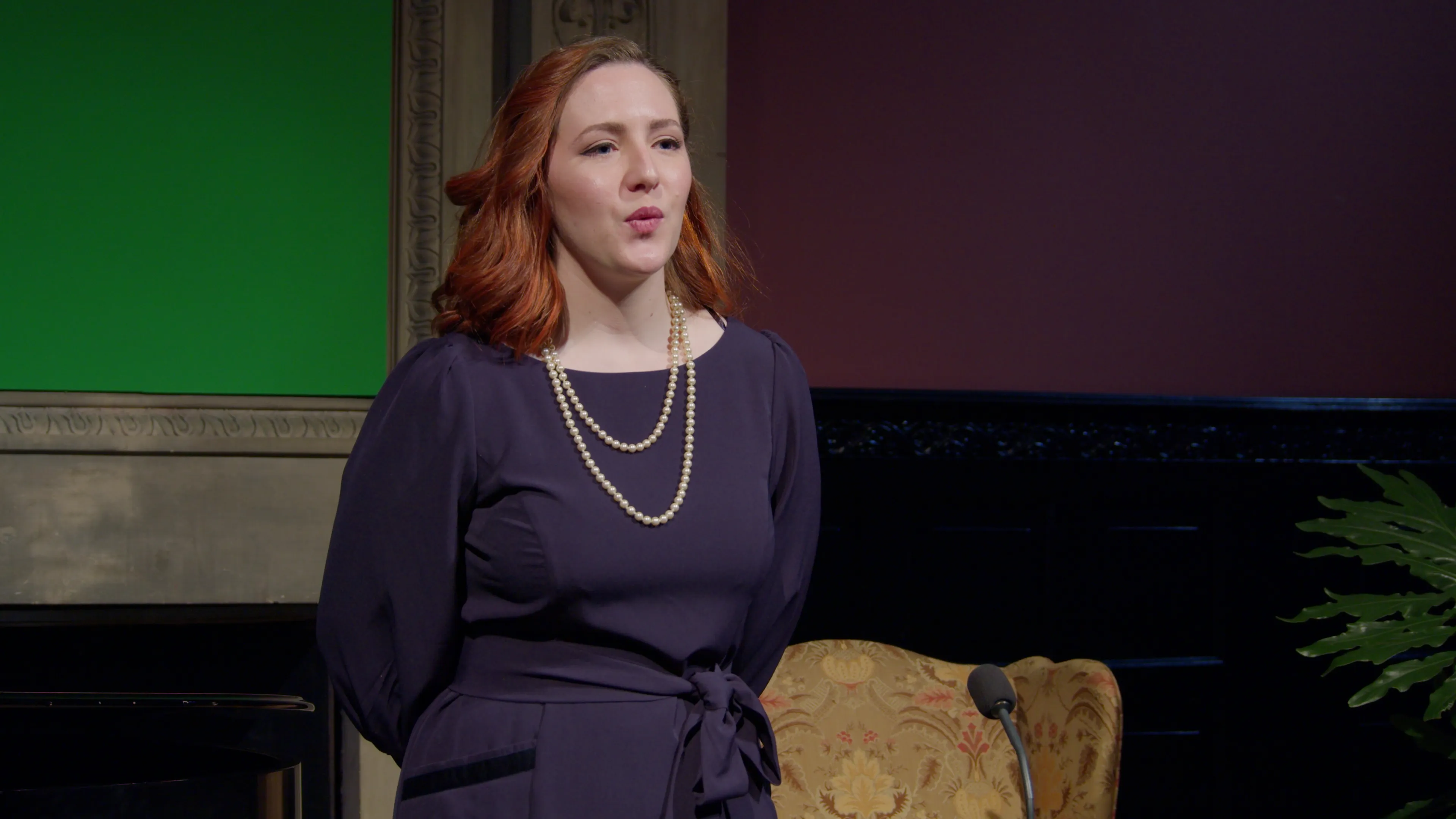
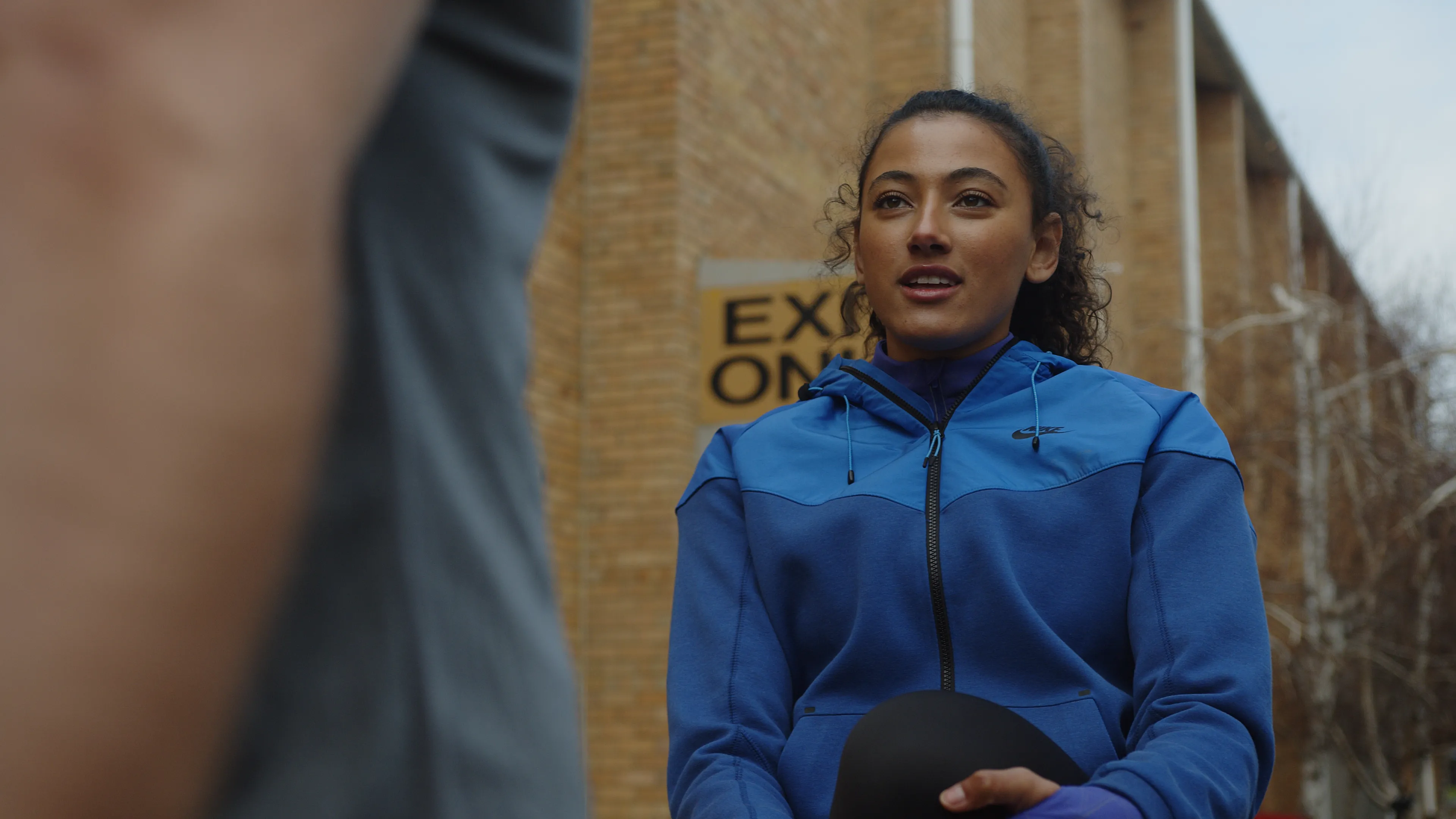
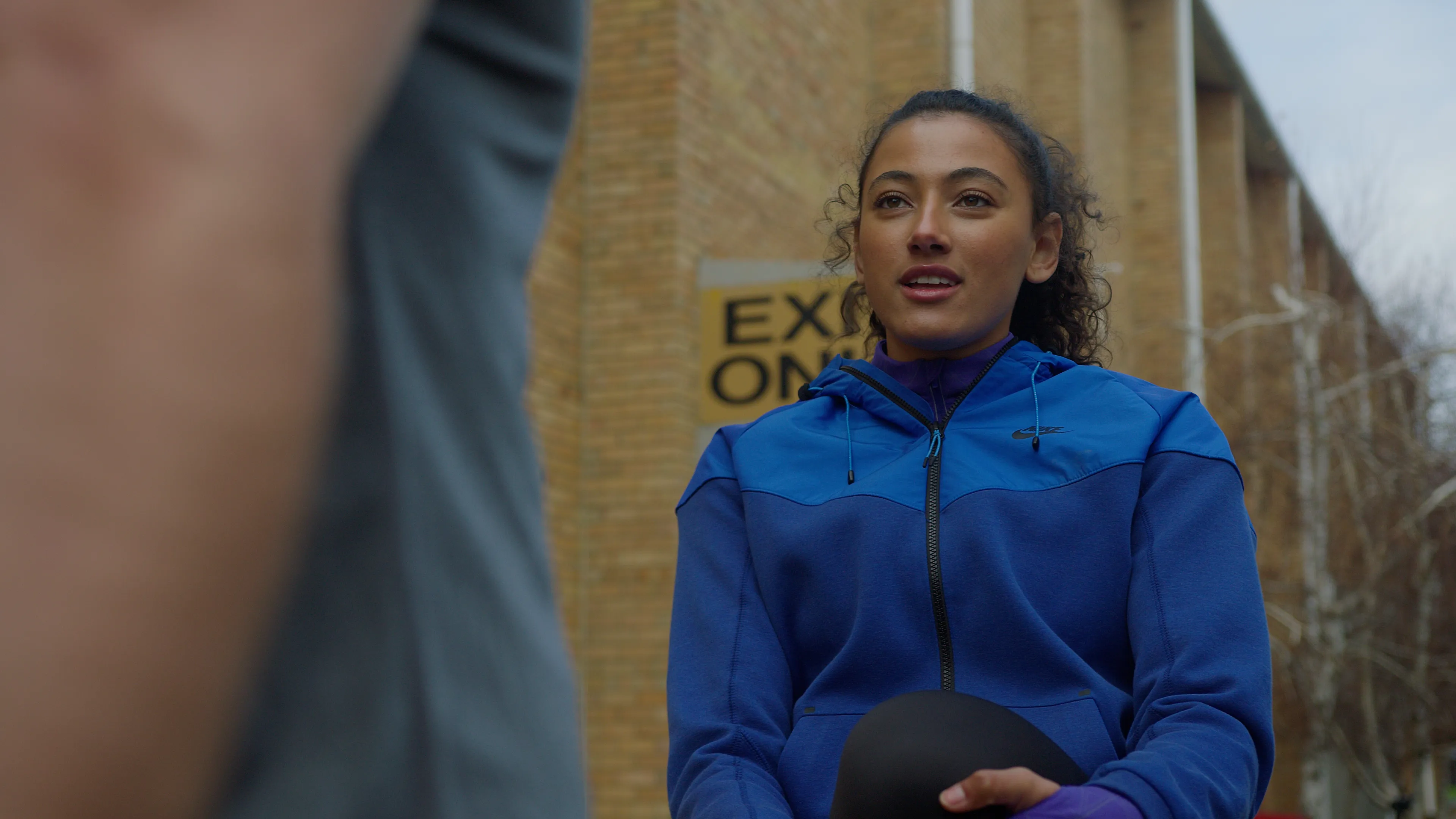


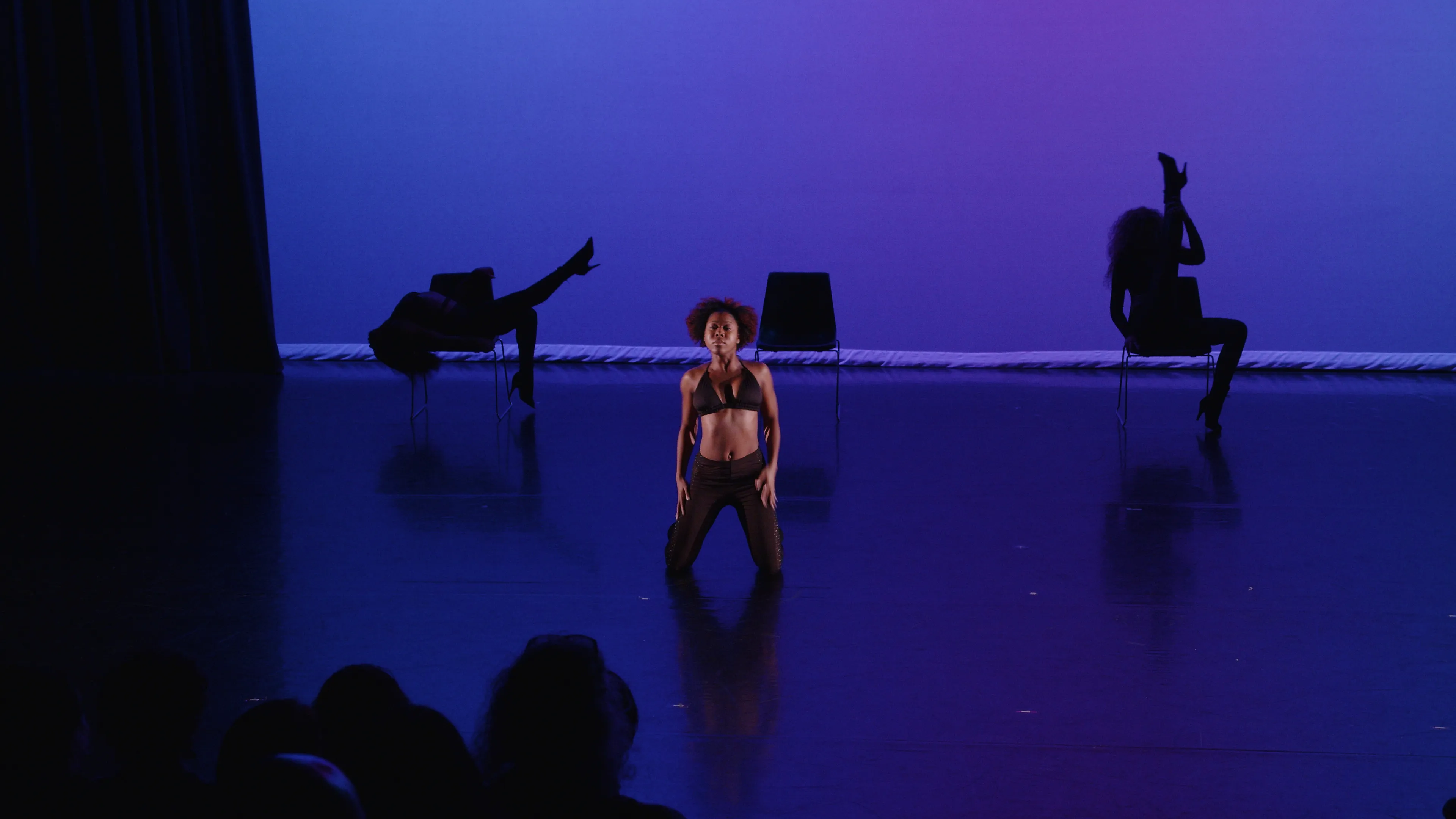
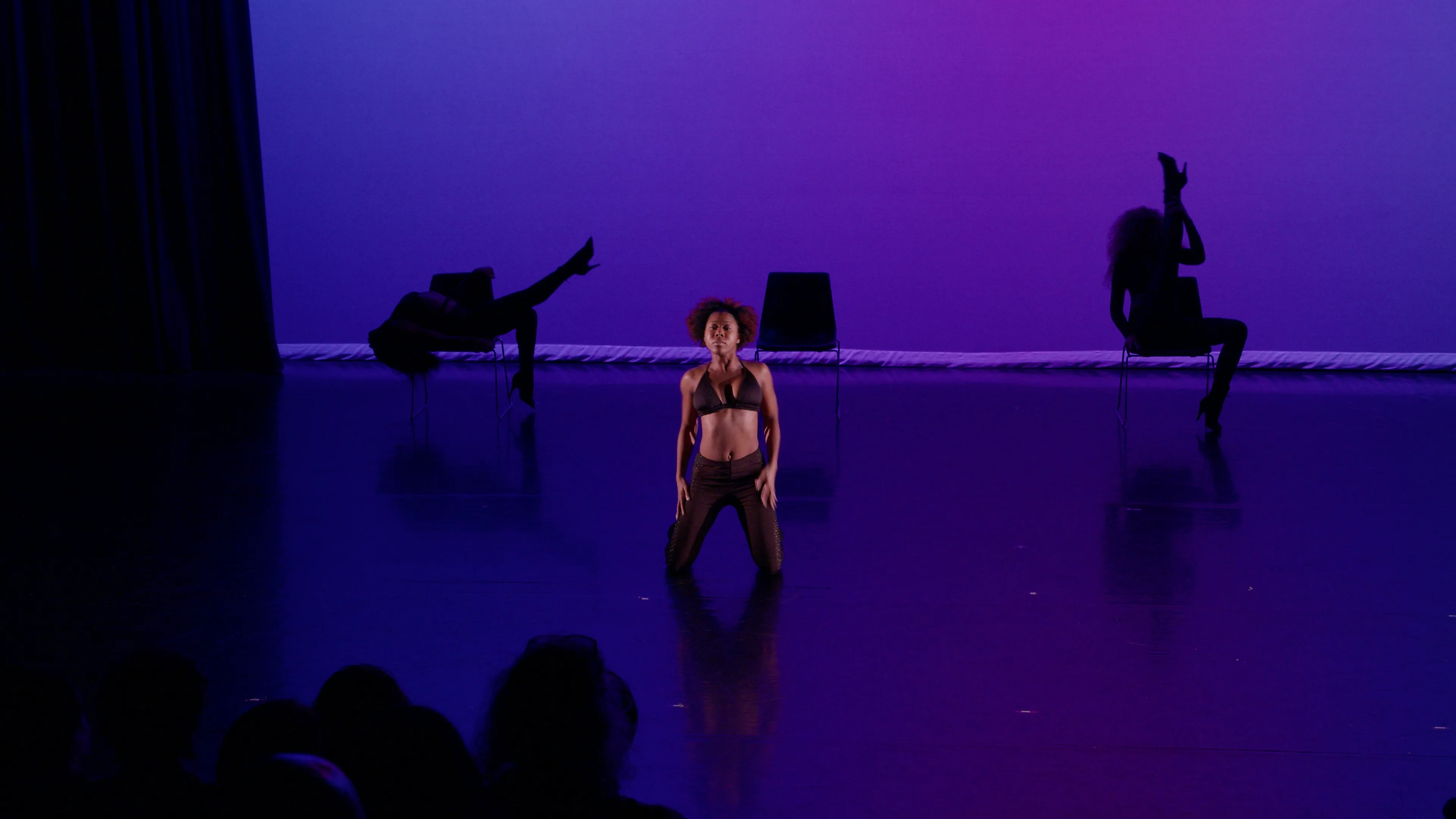






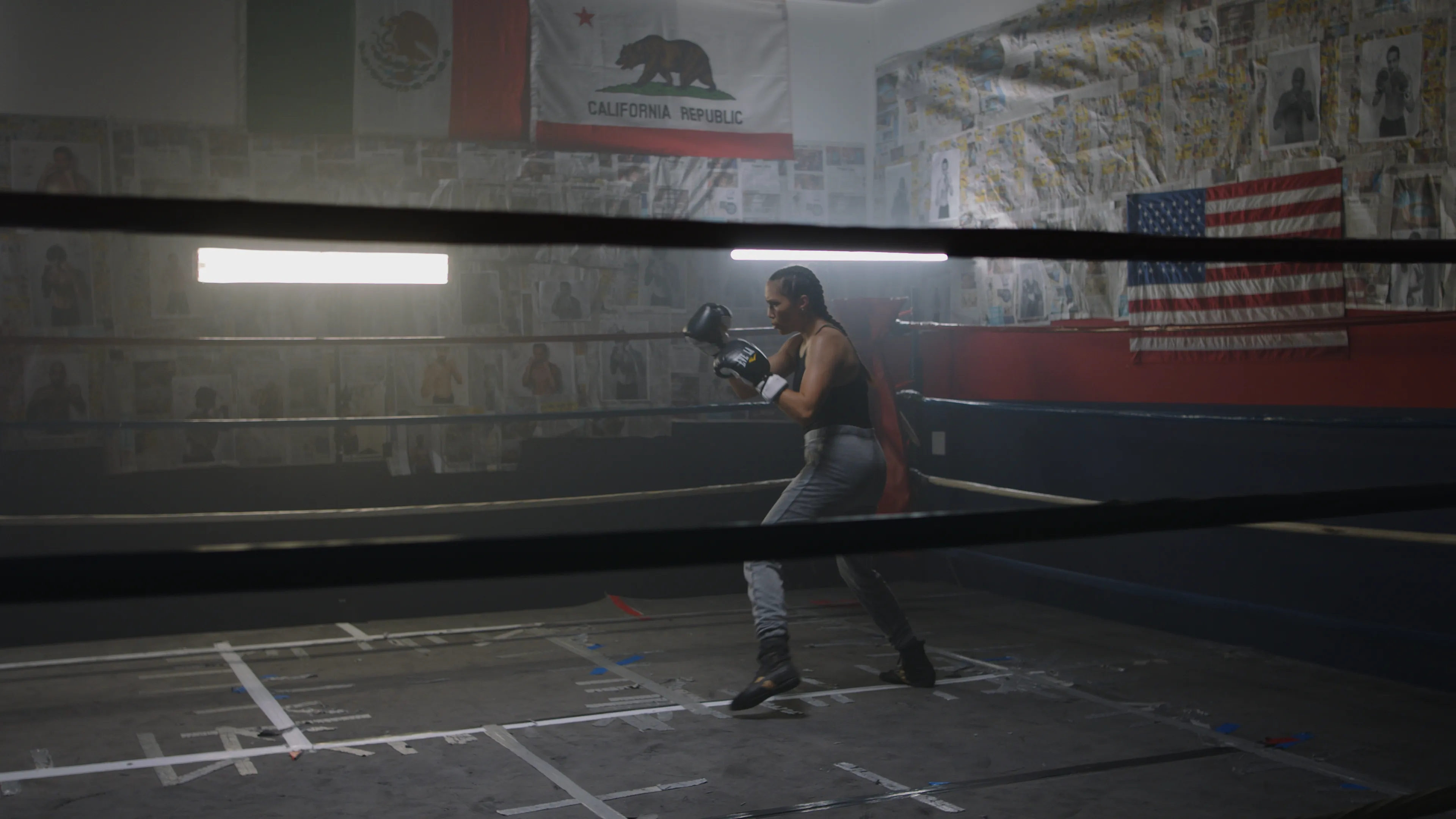
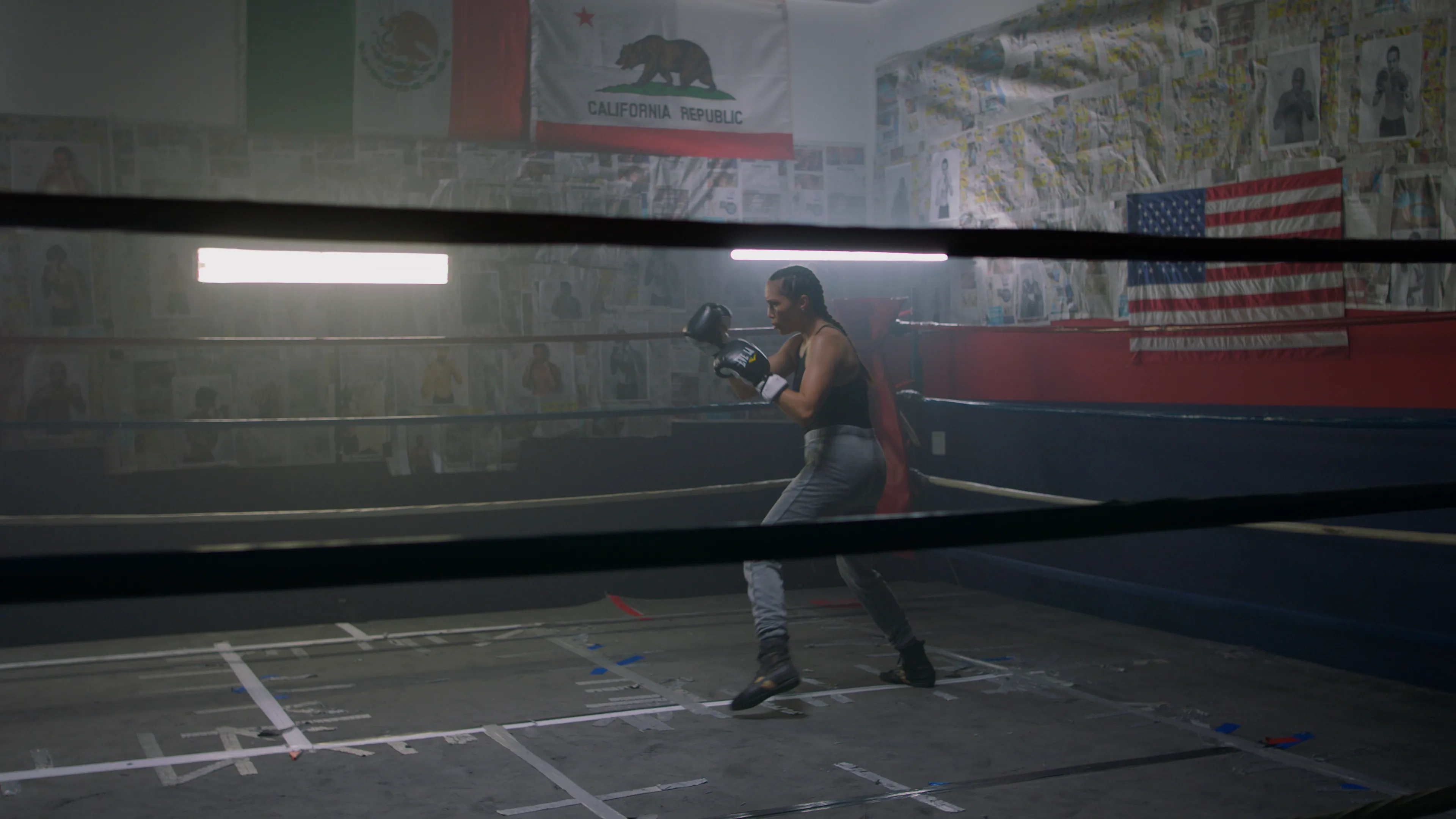

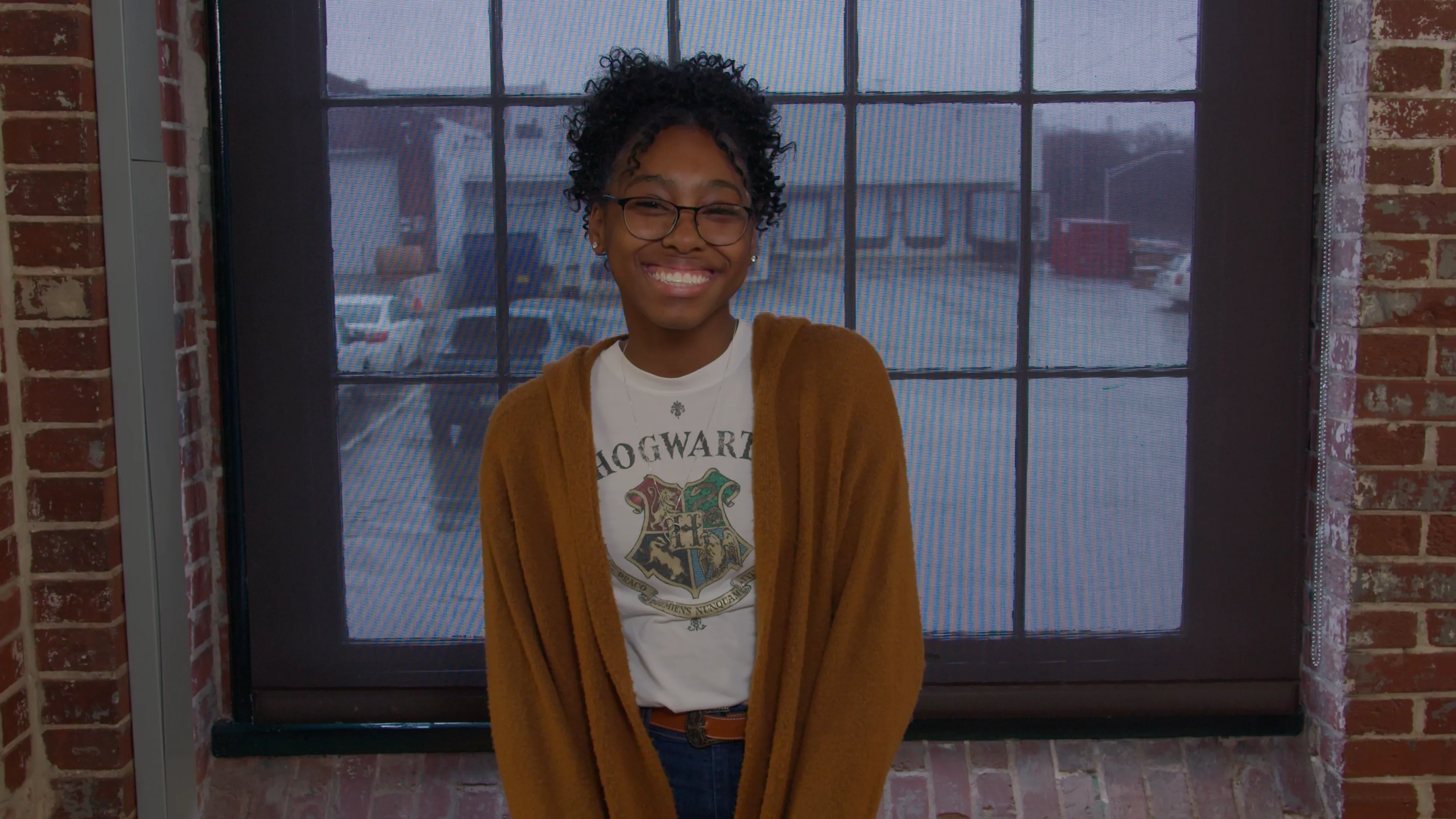
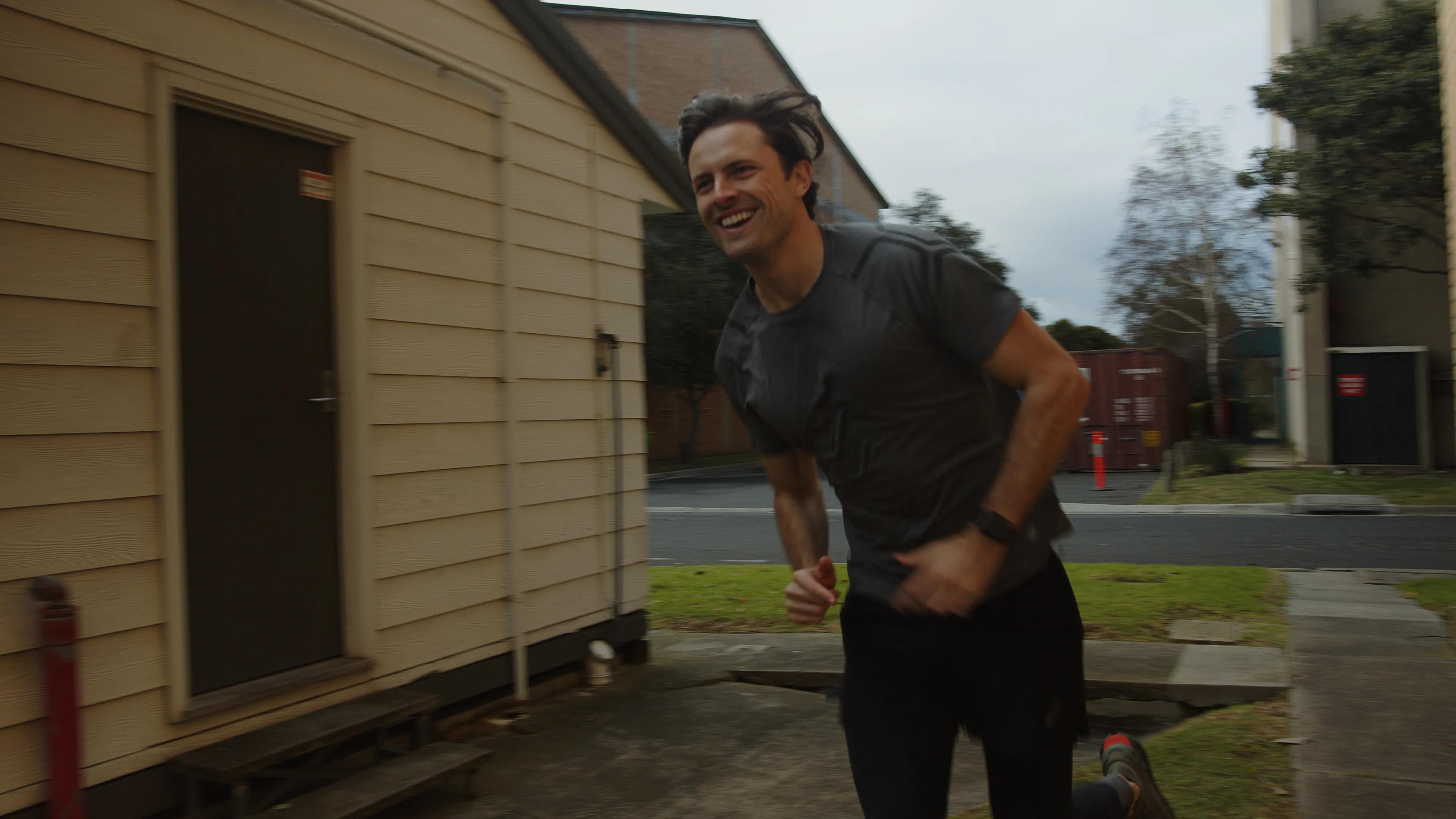
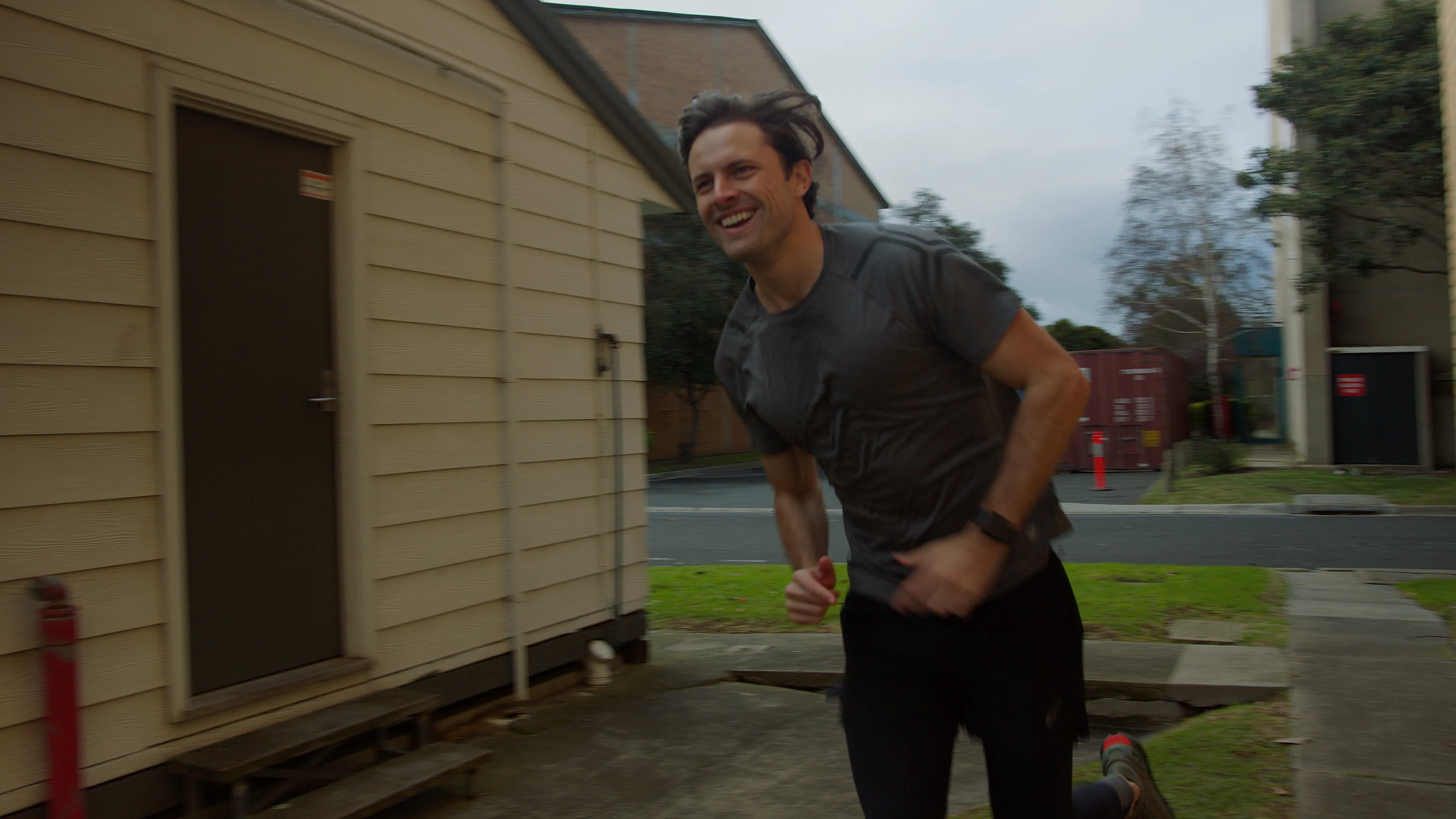

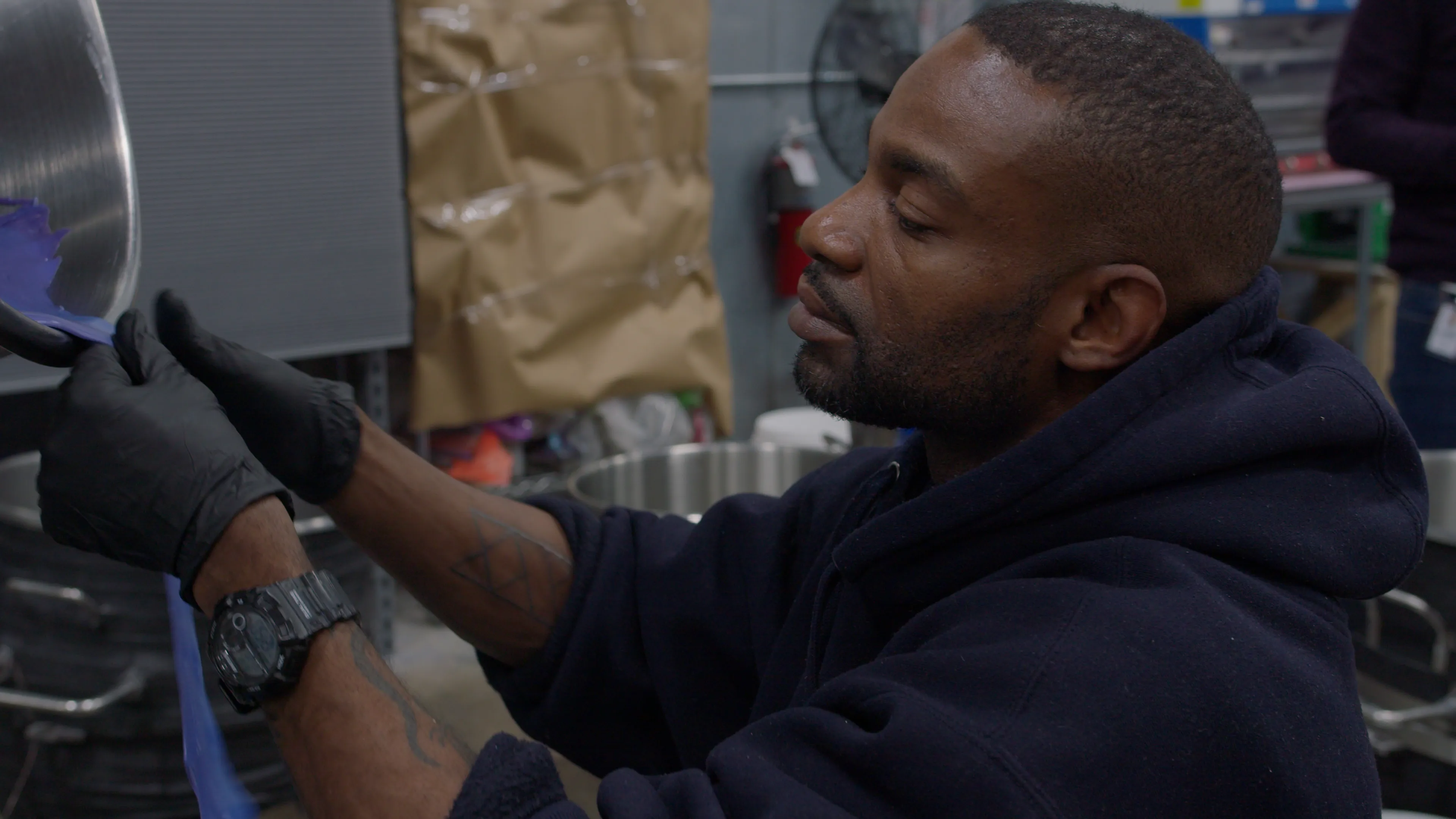
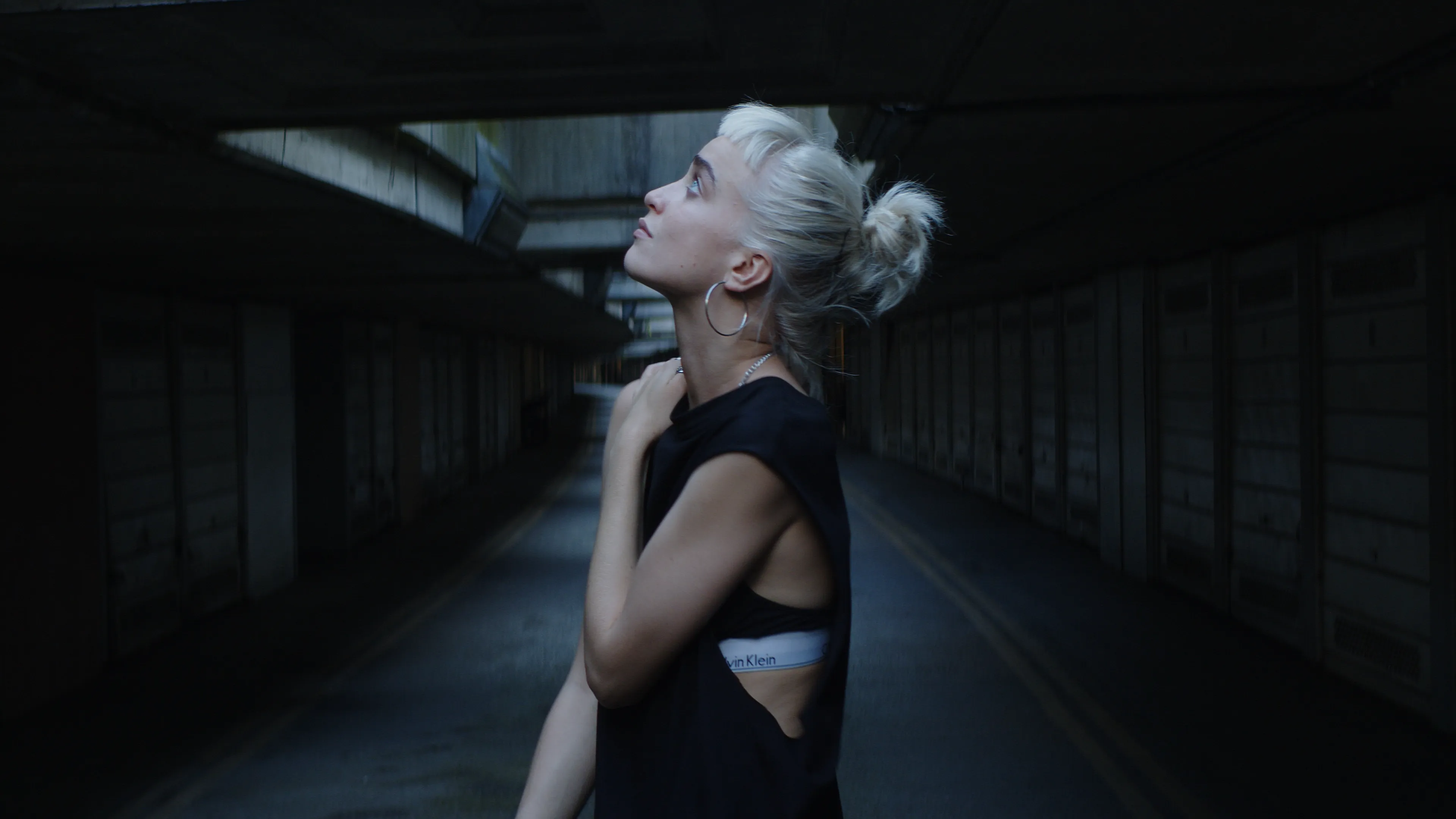
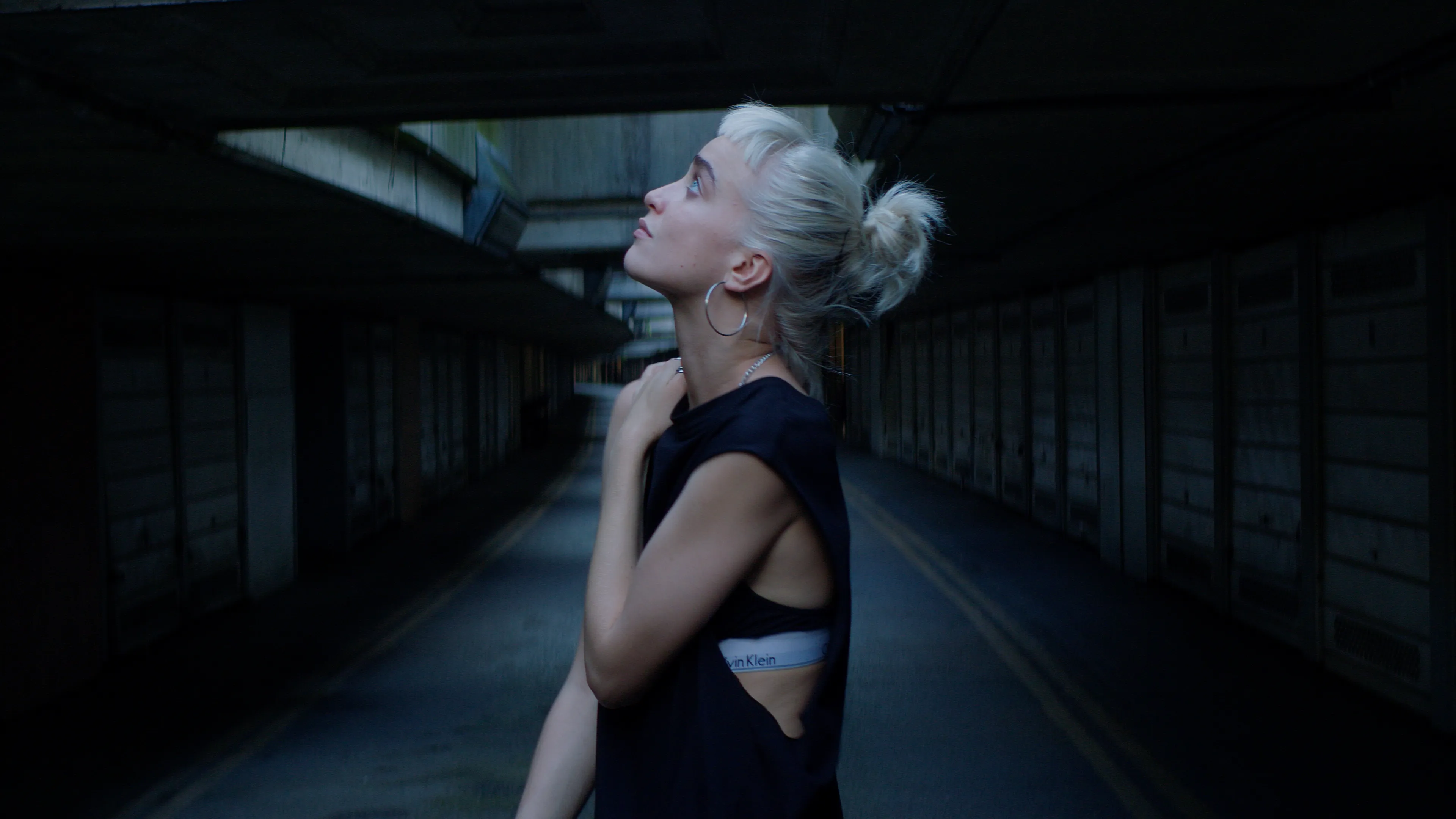


Arch Pro Plus gives you 12 distinct looks for your footage. Arch Pro Premium gives you the same looks with full DaVinci Wide Gamut support!
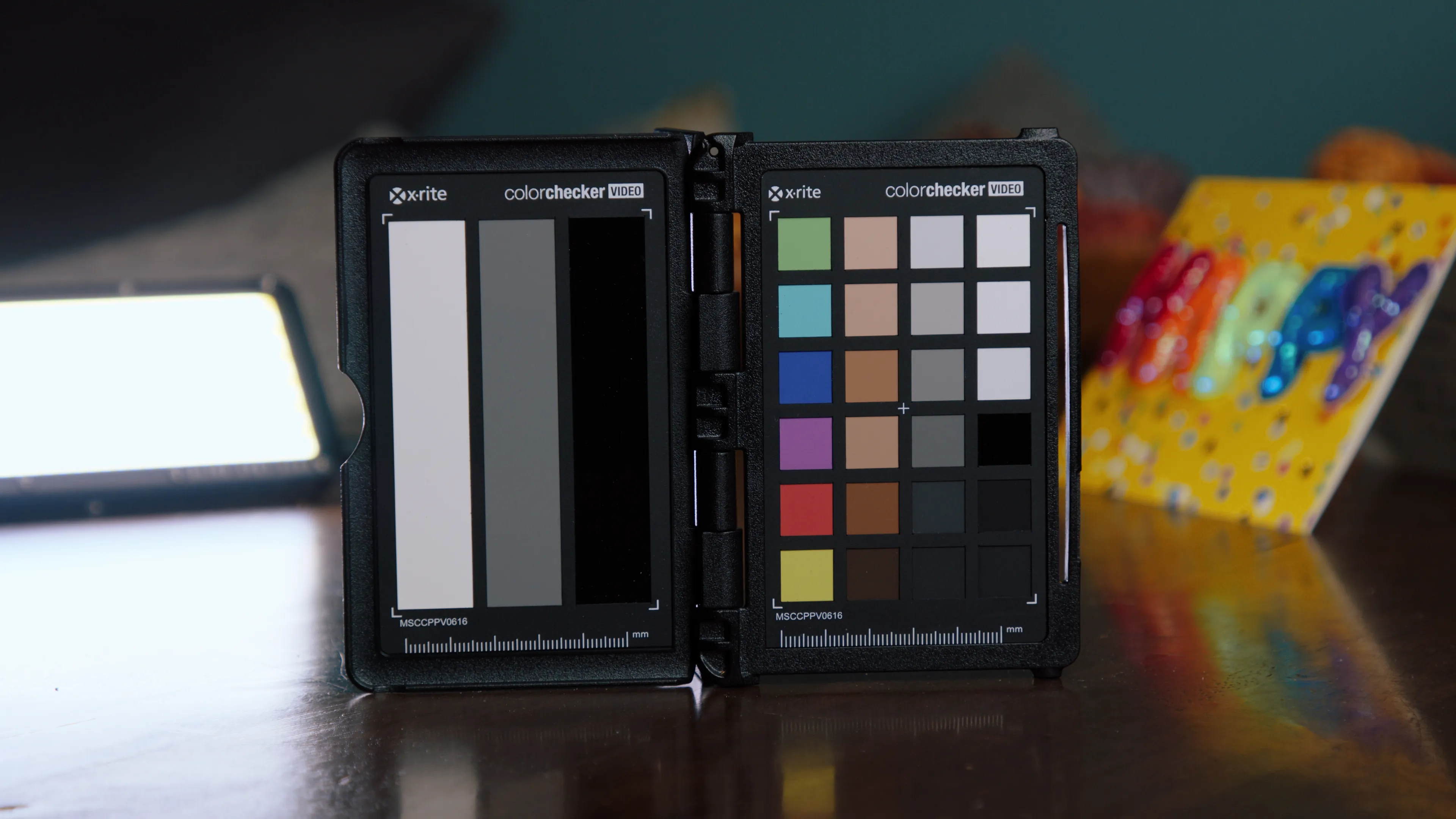
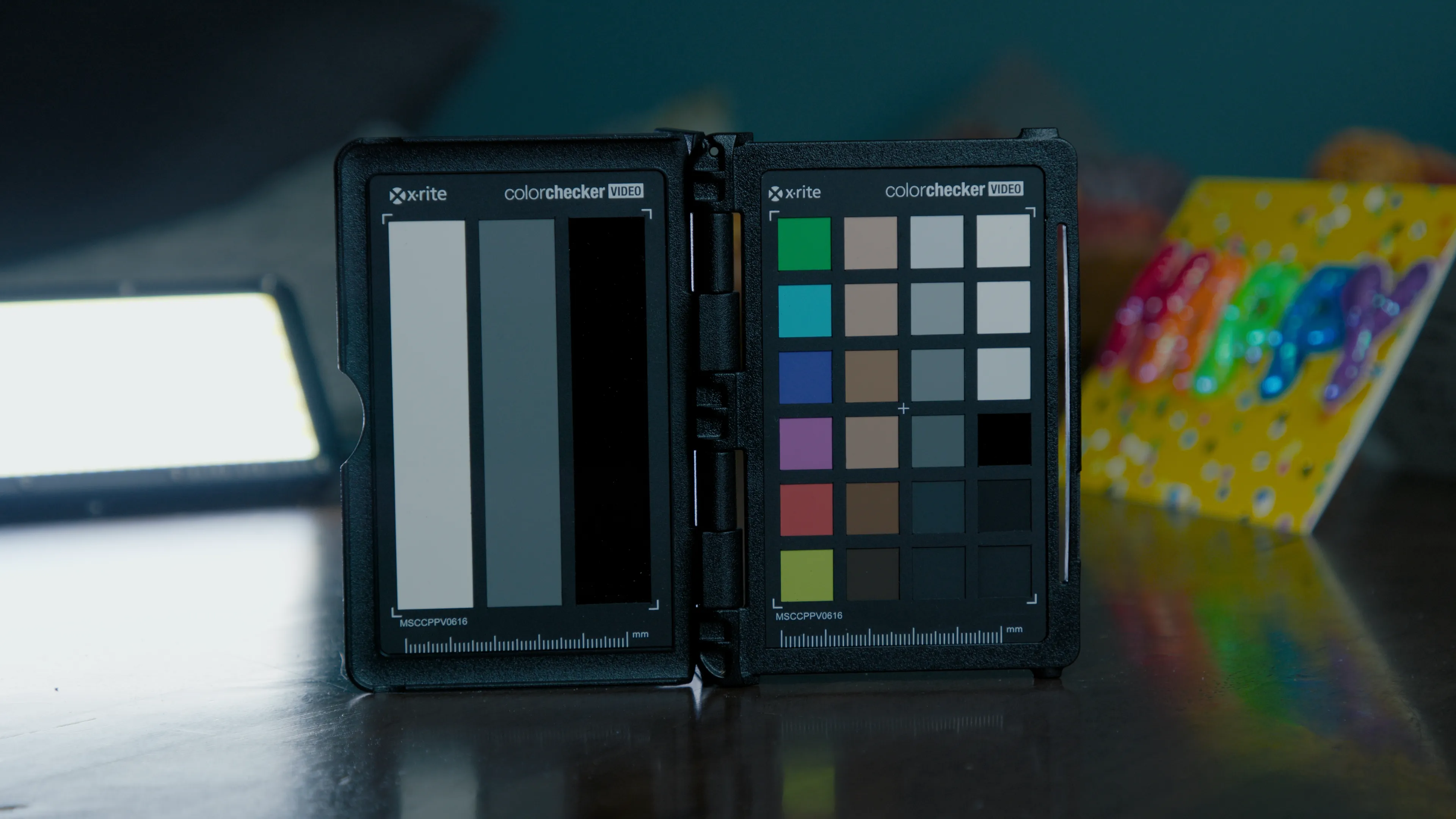
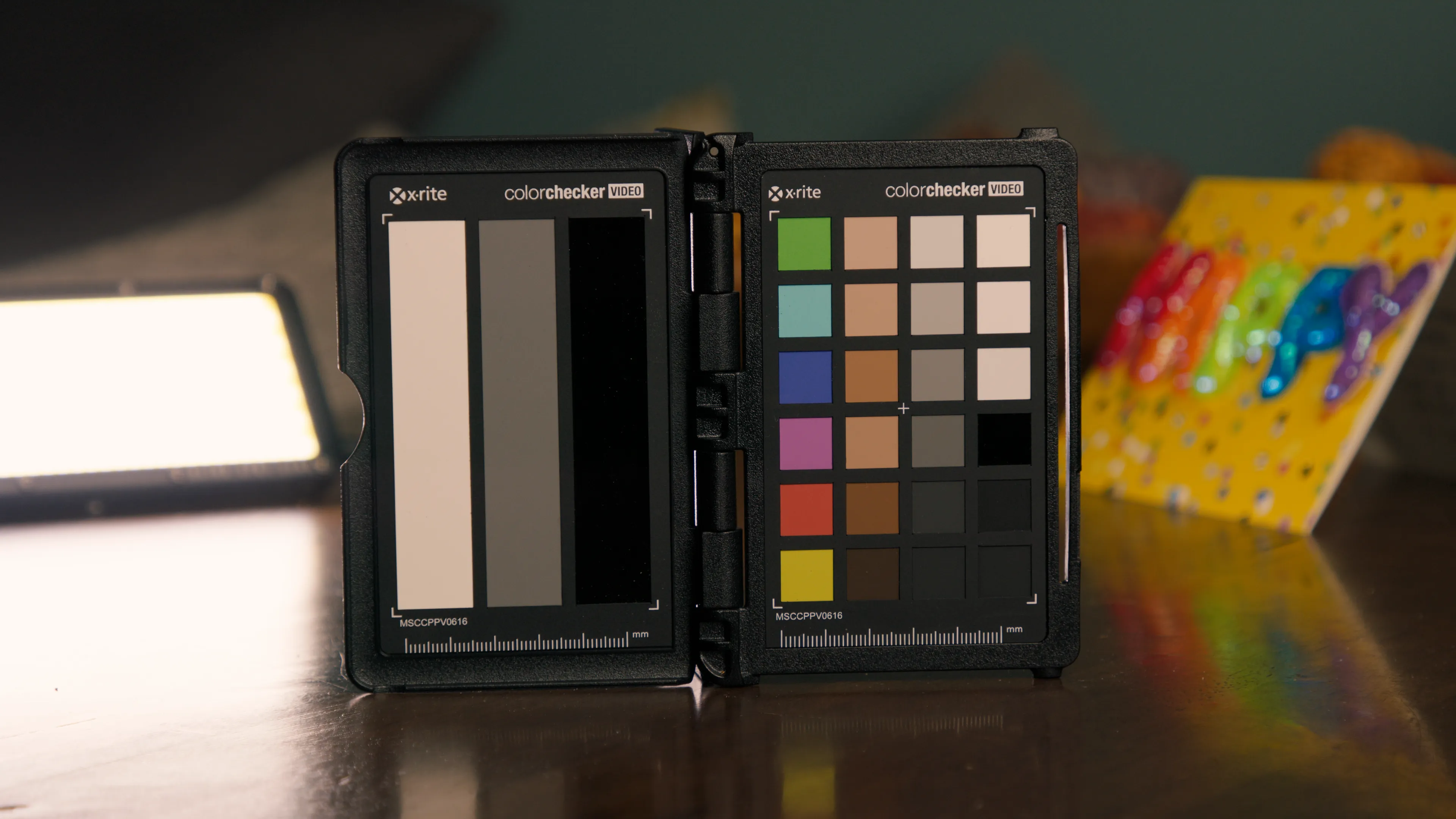
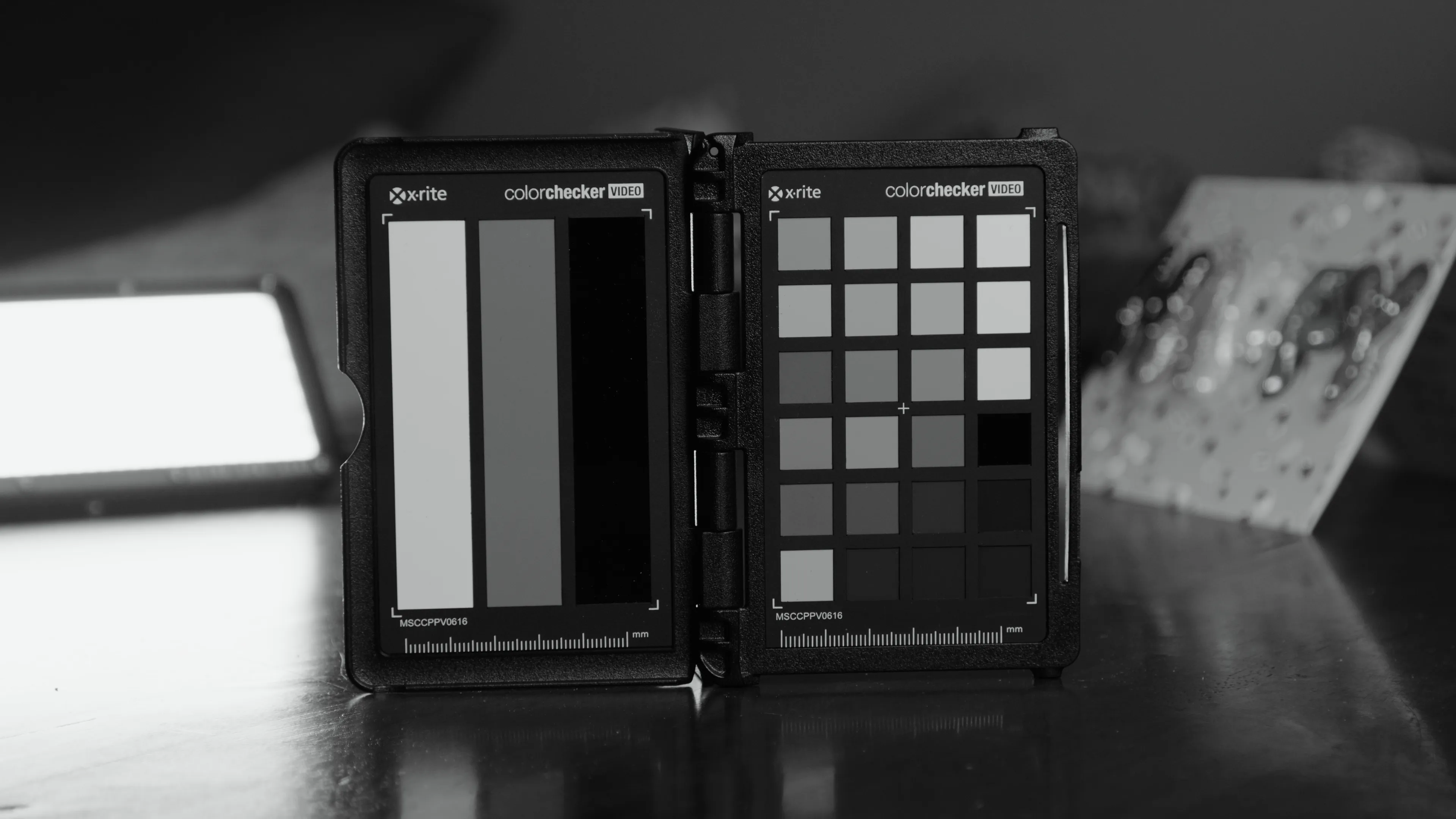
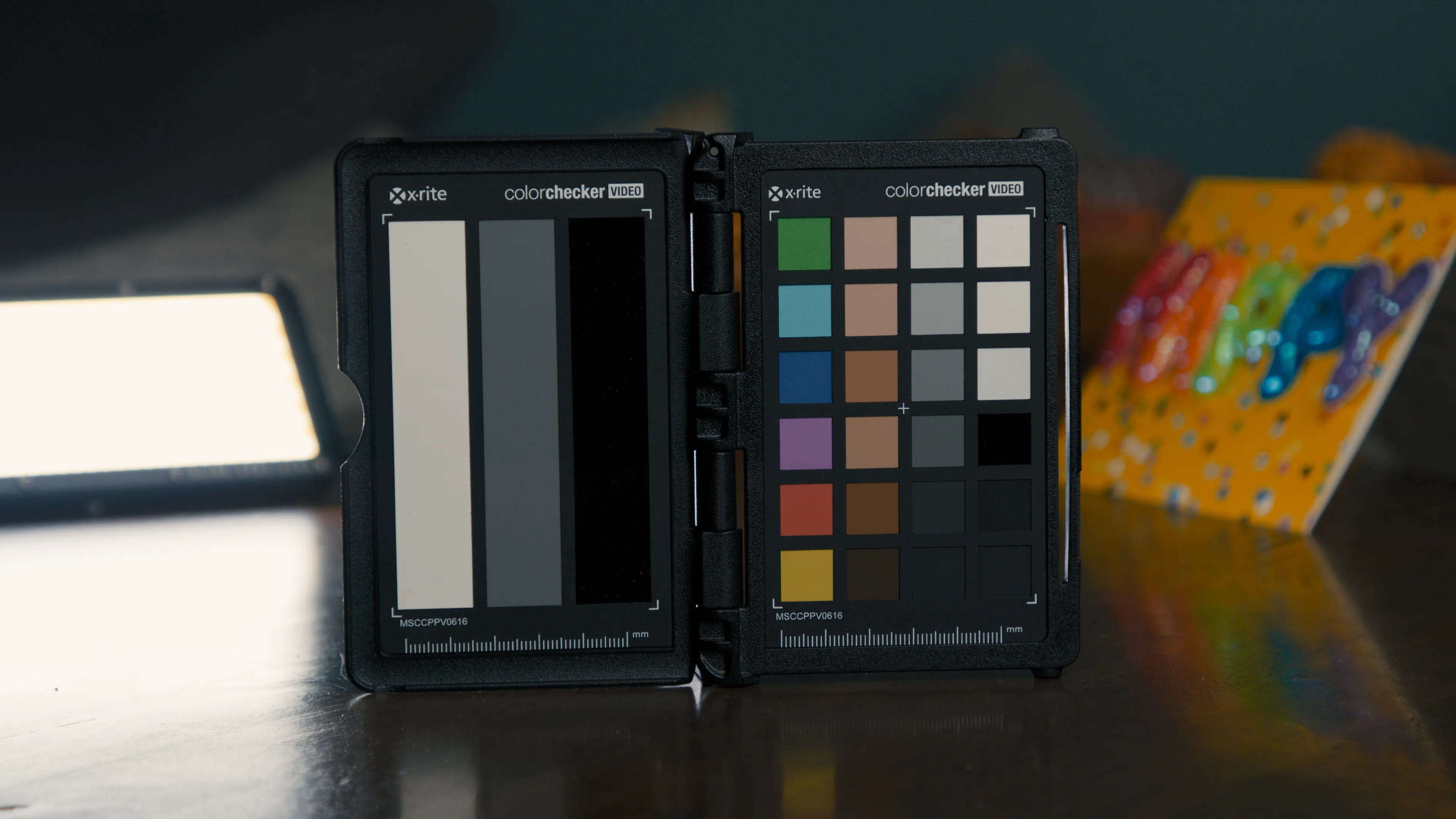
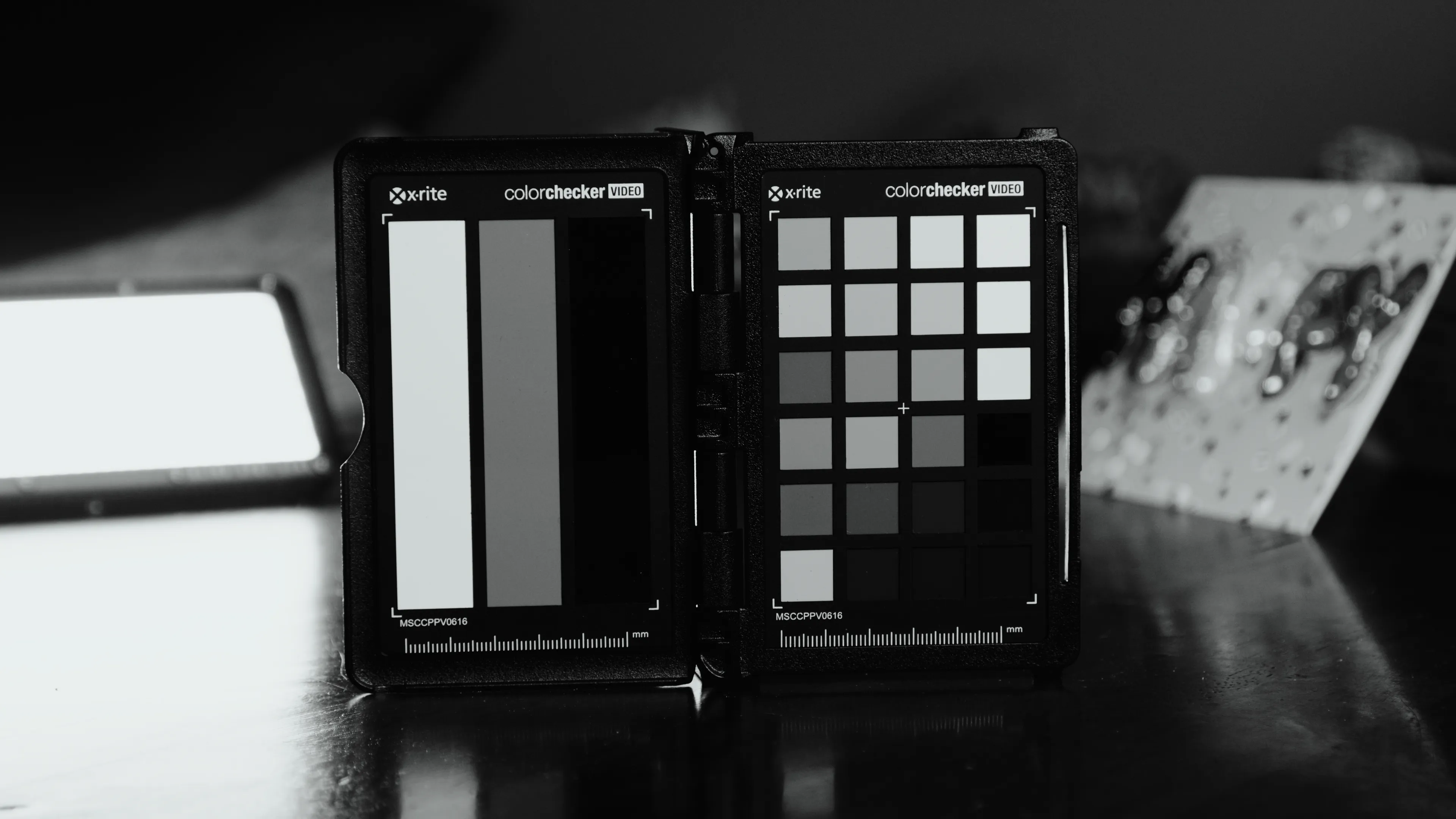
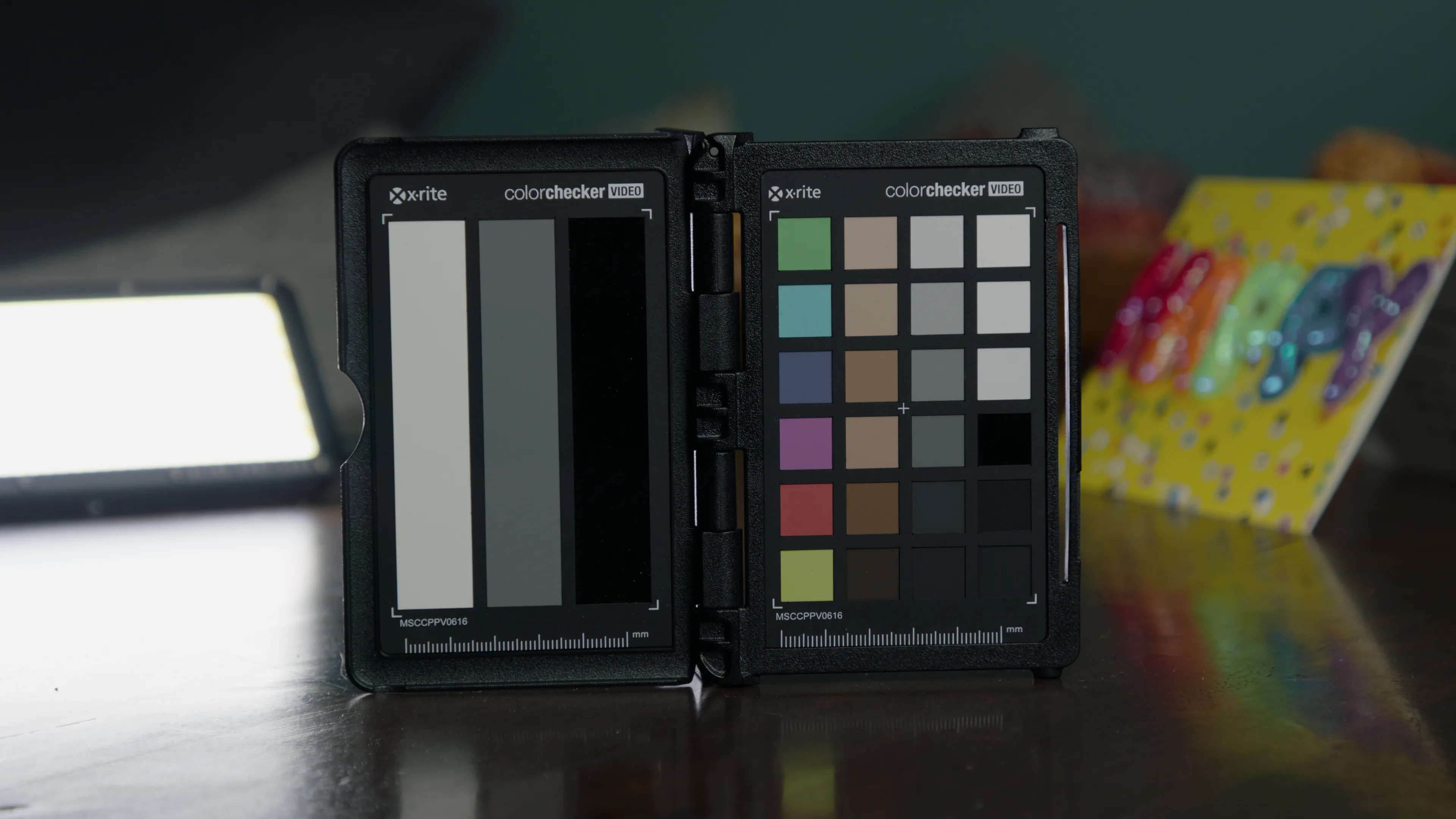
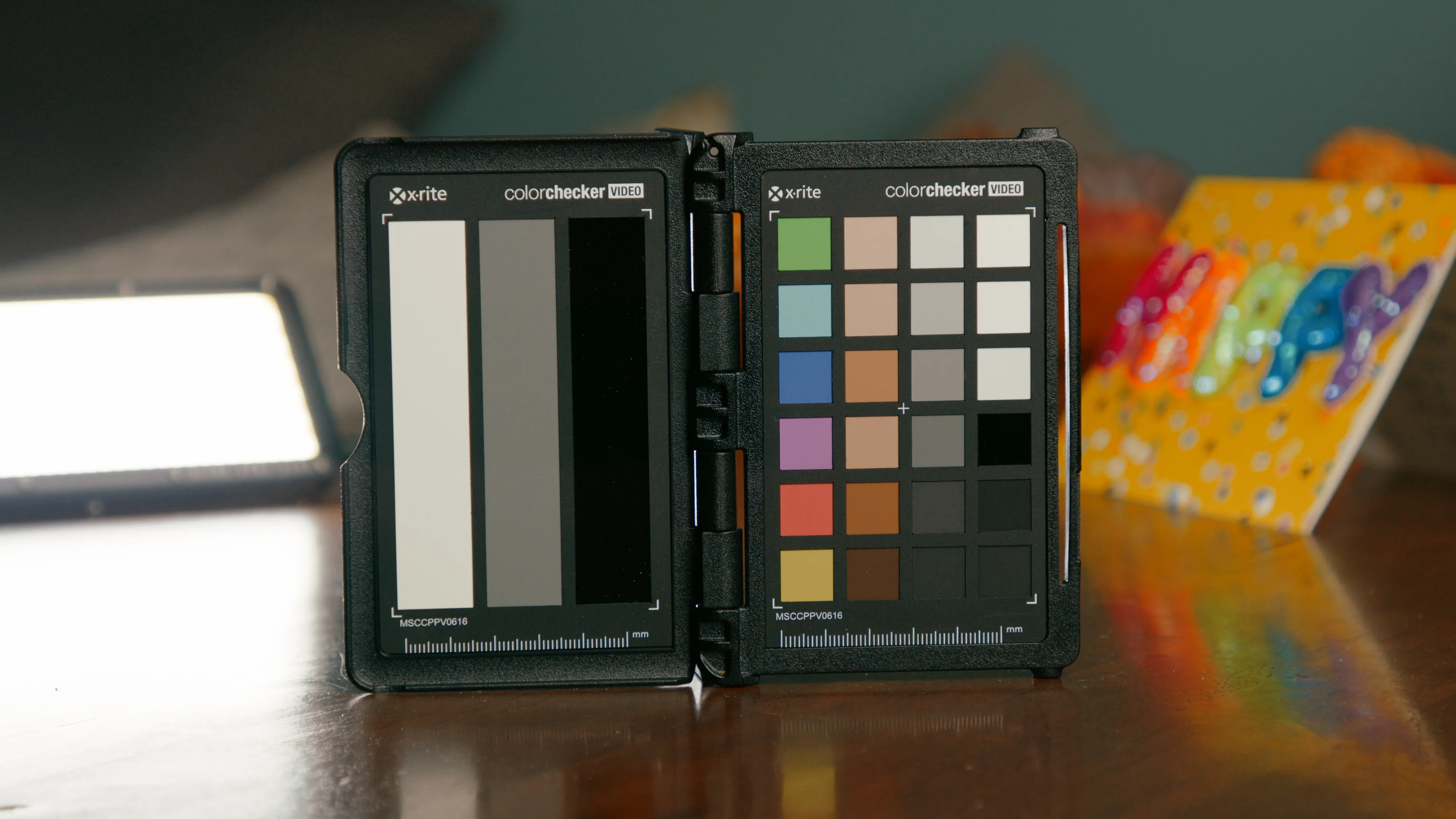
Use this nifty chart to help you decide which flavor of Arch Pro is right for you.
Not sure? Start with Plus — it’s what ~70% of customers choose! nothing but trouble staci silverstone exclusive
These are just a handful of teams that rely on Arch Pro for their productions.






The top priority of this LUT is to make skin tones—of all shades—look remarkable.

Between shooting midday weddings & music festivals, I've mastered the art of the highlight roll off!

I always find myself tinting towards magenta in-camera, so I set out to fix the green channel!

Gives you a very robust starting point that holds up to heavy grading and effects.

Yanno how the Extended Video LUT just kinda looks like mud? Well, kiss that look goodbye!

Compatible with any application that supports LUTs on Windows, Mac, and iOS.

As new LUTs are developed for the set or Blackmagic Color Science evolves, you'll get updates for free!
Nothing But Trouble arrives with the kind of unapologetic bravado that demands attention. Centered on Staci Silverstone’s exclusive performance, the piece is a compact, potent study of persona, power, and provocation—part performance art, part controlled chaos. It doesn’t ask to be liked; it insists you watch and reckon with it.
Visuals and Sound Visually, the piece favors a muted palette punctuated by flashes of saturated color that feel like emotional bleed-throughs. Cinematography leans on tight framing and shallow depth of field, mobilizing intimacy as a means of discomfort. The sound design is conscious and often manipulative: ambient hiss, sudden silences, and a score that underlines rather than overwhelms. These choices combine to make the viewing experience tactile—almost invasive.
Performance and Presence Staci Silverstone is magnetic. From the opening moments she occupies the frame with an ease that reads as both studied and instinctive. Her gestures are economical but charged; small facial ticks and pauses become freighted with meaning. Silverstone’s delivery is neither coy nor showy—she calibrates intensity like a jazz musician shaping silence as much as sound. The result is a portrayal that feels lived-in, volatile, and dangerously present.
Supporting Cast and Characters While Silverstone is the gravitational center, the supporting cast contributes necessary friction. They’re sketched cleanly—less fully realized than the lead but effective as foils and accelerants. The interactions underline the central idea: the world around the protagonist is both enabling and parasitic, complicit in the cycle of spectacle.
Writing and Themes The writing is sharp, often witty, and frequently acidic. Dialogue snaps with a brittle charm, and monologues reveal undercurrents of regret, bitterness, and dark humor. Thematically, the work interrogates fame, self-sabotage, and the commodification of transgression. It probes how personas are constructed and exploited—both by the subject and by the audience watching them implode. At times the text flirts with nihilism, but it balances that edge with a sly moral curiosity: why do we revel in witnessing people spiral?
Nothing But Trouble arrives with the kind of unapologetic bravado that demands attention. Centered on Staci Silverstone’s exclusive performance, the piece is a compact, potent study of persona, power, and provocation—part performance art, part controlled chaos. It doesn’t ask to be liked; it insists you watch and reckon with it.
Visuals and Sound Visually, the piece favors a muted palette punctuated by flashes of saturated color that feel like emotional bleed-throughs. Cinematography leans on tight framing and shallow depth of field, mobilizing intimacy as a means of discomfort. The sound design is conscious and often manipulative: ambient hiss, sudden silences, and a score that underlines rather than overwhelms. These choices combine to make the viewing experience tactile—almost invasive.
Performance and Presence Staci Silverstone is magnetic. From the opening moments she occupies the frame with an ease that reads as both studied and instinctive. Her gestures are economical but charged; small facial ticks and pauses become freighted with meaning. Silverstone’s delivery is neither coy nor showy—she calibrates intensity like a jazz musician shaping silence as much as sound. The result is a portrayal that feels lived-in, volatile, and dangerously present.
Supporting Cast and Characters While Silverstone is the gravitational center, the supporting cast contributes necessary friction. They’re sketched cleanly—less fully realized than the lead but effective as foils and accelerants. The interactions underline the central idea: the world around the protagonist is both enabling and parasitic, complicit in the cycle of spectacle.
Writing and Themes The writing is sharp, often witty, and frequently acidic. Dialogue snaps with a brittle charm, and monologues reveal undercurrents of regret, bitterness, and dark humor. Thematically, the work interrogates fame, self-sabotage, and the commodification of transgression. It probes how personas are constructed and exploited—both by the subject and by the audience watching them implode. At times the text flirts with nihilism, but it balances that edge with a sly moral curiosity: why do we revel in witnessing people spiral?