The initial prototype, code-named "ShutterGetter," was built using Python and utilized Shutterstock's API to fetch and download content. However, as the team worked on refining the software, they realized that they needed a more distinctive name that reflected the tool's capabilities. After several brainstorming sessions, they decided to rename it Beatsnoop, a combination of "beat" (referring to the rhythm of music) and "snoop" (implying a tool that helps users sniff out and download content).
In the early days of digital media, stock photo websites like Shutterstock emerged as a treasure trove of high-quality images, music, and videos. These platforms catered to the growing demands of content creators, advertisers, and businesses seeking visual content to enhance their projects. However, as the popularity of these websites grew, so did the need for efficient and user-friendly downloaders. That's where Beatsnoop, a Shutterstock downloader, came into play. shutterstock downloader beatsnoop
Upon its release in 2016, Beatsnoop quickly gained popularity among Shutterstock users. The software's intuitive interface, impressive download speeds, and robust feature set made it an indispensable tool for content creators. Word-of-mouth recommendations and positive reviews on social media and tech forums further fueled its growth. In the early days of digital media, stock
In 2015, a group of developers at a tech startup in Silicon Valley began brainstorming ideas for a tool that would simplify the process of downloading content from Shutterstock. Led by the visionary CEO, Alex Chen, the team aimed to create a software that would not only facilitate fast and easy downloads but also provide users with a robust set of features. The team's lead developer, Jamie Patel, was instrumental in conceptualizing the architecture of the downloader. That's where Beatsnoop, a Shutterstock downloader, came into
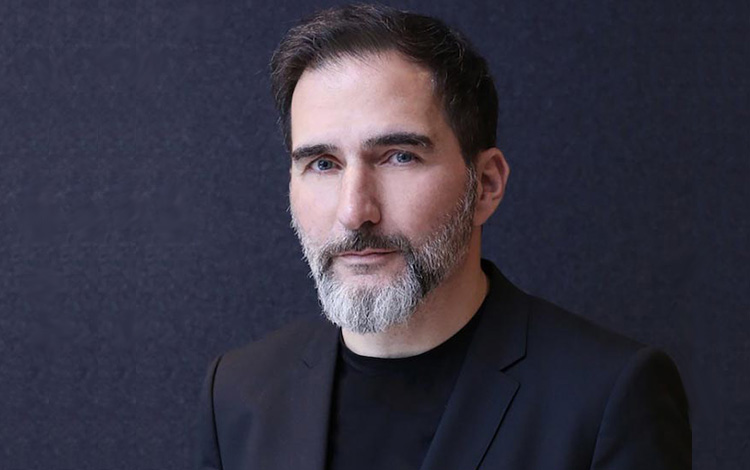
Cohn+Duprat
Luego de cinco años en México como Head of Fiction de Fremantle Latinoamérica, Manuel Martí regresó a Buenos Aires en 2025 como productor ejecutivo en Cohn+Duprat en el desarrollo de series y películas. El ejecutivo construyó gran parte de su carrera como director de Desarrollo y Producción Internacional de Polka, empresa en la que trabajó desde 2014. Bajo su cargo se hicieron producciones como Signos y El jardín de bronce, entre otras. Martí también trabajó en Turner durante ocho años en el área de Producción. Anteriormente fue director de La Produ y director creativo de Rock & Pop TV.
