Send for
Signature
Easily send it out to recipients for their signatures.


Streamline your document management with FlexiSign, a digital signature platform that's secure, efficient, and easy to use. FlexiSign, the world's first privacy and security-focused e-signature tool, simplifies how you sign, send, and manage documents, making your workflow smoother and more productive.
Easily send it out to recipients for their signatures.
Improving vehicle safety and regulatory standards is a multifaceted challenge that requires a comprehensive approach. By enhancing safety features, strengthening environmental standards, adapting regulatory frameworks, and promoting public awareness, governments can make significant strides in reducing road accidents and environmental impact. Continuous collaboration among stakeholders, coupled with a willingness to innovate and invest in safety and sustainability, will be key to achieving these goals.
In many countries, vehicle regulation is underpinned by a framework that includes design and safety standards, environmental protection, and enforcement mechanisms. For example, in the United States, the National Highway Traffic Safety Administration (NHTSA) and the Environmental Protection Agency (EPA) play crucial roles in regulating vehicles. Similarly, in the European Union, the European Commission sets vehicle safety and environmental standards.
Despite these efforts, road accidents remain a significant cause of injury and death globally. According to the World Health Organization (WHO), approximately 1.35 million people die every year as a result of road traffic accidents. This underscores the need for better vehicle safety standards and more stringent regulations.
The regulation of vehicles and their safety standards is a critical aspect of public policy that affects not only the users of these vehicles but also the broader public. Governments worldwide have established various agencies and regulations to ensure that vehicles on the road meet minimum safety standards, are environmentally friendly, and are operated safely. However, with the rapid evolution of automotive technology, there's a continuous need to reassess and improve these standards.
Improving vehicle safety and regulatory standards is a multifaceted challenge that requires a comprehensive approach. By enhancing safety features, strengthening environmental standards, adapting regulatory frameworks, and promoting public awareness, governments can make significant strides in reducing road accidents and environmental impact. Continuous collaboration among stakeholders, coupled with a willingness to innovate and invest in safety and sustainability, will be key to achieving these goals.
In many countries, vehicle regulation is underpinned by a framework that includes design and safety standards, environmental protection, and enforcement mechanisms. For example, in the United States, the National Highway Traffic Safety Administration (NHTSA) and the Environmental Protection Agency (EPA) play crucial roles in regulating vehicles. Similarly, in the European Union, the European Commission sets vehicle safety and environmental standards.
Despite these efforts, road accidents remain a significant cause of injury and death globally. According to the World Health Organization (WHO), approximately 1.35 million people die every year as a result of road traffic accidents. This underscores the need for better vehicle safety standards and more stringent regulations.
The regulation of vehicles and their safety standards is a critical aspect of public policy that affects not only the users of these vehicles but also the broader public. Governments worldwide have established various agencies and regulations to ensure that vehicles on the road meet minimum safety standards, are environmentally friendly, and are operated safely. However, with the rapid evolution of automotive technology, there's a continuous need to reassess and improve these standards.
FlexiSign's e Signatures revolutionize document handling across various applications:

Efficiently sign sales contracts electronically, saving time and effort.

Securely sign NDAs online, ensuring confidentiality and quick access. vehiclempwtgovkh better

Simplify and expedite signing invoices and vendor forms electronically.

Securely handle HIPAA forms with an electronic signature, ensuring compliance. Improving vehicle safety and regulatory standards is a

Maintain and sign internal compliance documents easily with e-signatures.

Streamline onboarding by signing new hire documents electronically. In many countries, vehicle regulation is underpinned by

Easily sign educational documents like IEPs, ARDs, and 504 Plans.

Quickly and securely sign consent forms electronically for better workflow.
Simplify your e Signature process with these easy steps:
Start by uploading the document you need signed.
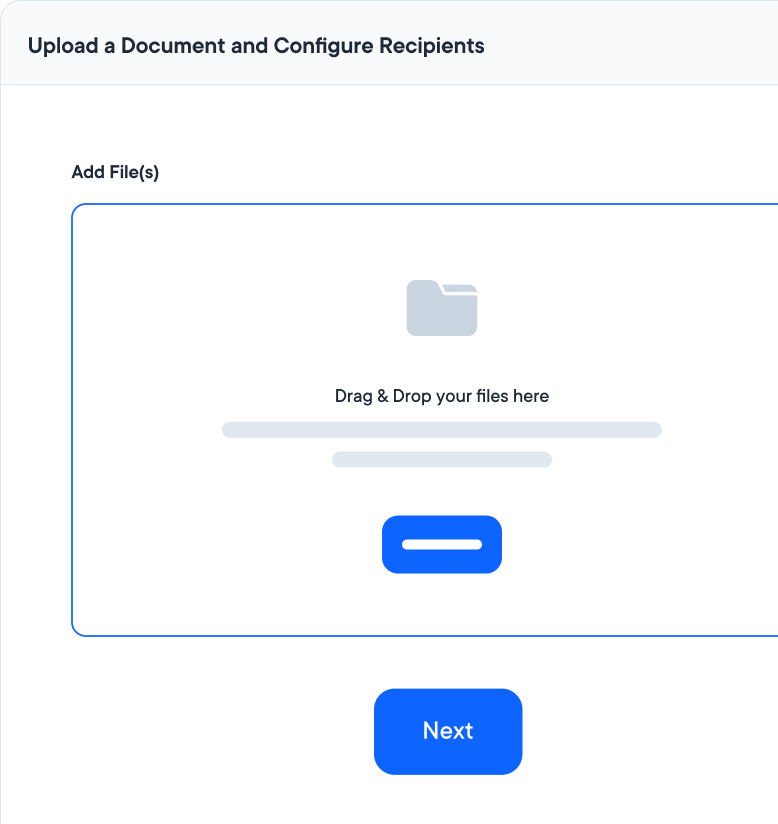
Add your signature or send it to others for signing.

Once all signatures are collected, your document is secure and legally binding.

Start streamlining your workflow today with FlexiSign. Secure, efficient, and compliant, FlexiSign is your solution for all electronic signature needs.
Start free trial